
Taking or considering Metformin? See what real patients say about side effects & timing. See how members lowered A1C, timed Metformin ER, and optimized thyroid labs—100% free with a private @handle and zero login wall.
Click to Ask a Question or Post Your Experience ▾
Post to Diabetes, Thyroid & A1C Space (15 Seconds • No Account or Email Required)
Or read existing discussions in Diabetes, Thyroid & A1C Space →
Flagship Medication Guide • RxCUI #6809 • Global Brand Decoder 15 Min Read • Top 20 Patient Questions Answered

Metformin (Glucophage, Fortamet & Glycomet): Real Pill Photos, Stopping Stomach Upset, and the 20 Questions People Ask Most.

International & U.S. Brand Names: Glucophage / Glucophage XR (US, UK, EU, Thailand) • Fortamet & Glumetza (US Extended-Release) • Glycomet / Glycomet-GP (India) • Cidophage (Egypt) • Dabex / Dabex XR (Mexico)

Whether your bottle says Metformin HCl, Glucophage, Fortamet, or Glycomet, it contains the exact same first-line blood sugar medicine. Here is everything your pharmacist wishes they had 20 minutes to explain—from why switching to Extended-Release (ER) stops stomach upset for over 50% of patients, to real FDA pill photos, annual Vitamin B12 checks, and 2016 eGFR kidney safety rules.

Clinical Synthesis Agent: dotMD-PriceLedger v4.2 (CMS Medicaid NADAC Wholesale Rx Price Auditor) Pharmacokinetic & Price Auditor: dotMD-Tolerability v4.2 ⚙ Evidence-Audited against FDA DailyMed & 11 Peer-Reviewed Sources
● Verified:
ⓘ See How Our AI Audits Federal Data Zero Pharma Sponsorship—100% Primary FDA & Clinical Trial Data
View 3-Step Deterministic Pipeline ▾

dotMD.com uses `dotMD-PharmAudit v4.2` and `dotMD-PriceLedger v4.2` to cross-audit every prescription monograph against primary federal registries (`audit@dotmd.com`):

  • FDA DailyMed SPL & Boxed Warning Verification: Every Immediate-Release (IR) and Extended-Release (ER) dosing schedule, renal eGFR threshold, and divalent mineral spacing rule is verified against FDA DailyMed Structured Product Labeling (SPL) and NIH MedlinePlus .
  • RxNorm RxCUI, NDC Imprint & CMS NADAC Wholesale Price Math: Active ingredient identifiers (`RxCUI`), tablet imprints, and per-tablet pharmacy acquisition invoices are verified against NIH NLM RxNorm and the federal CMS Medicaid NADAC Ledger .
  • Blinded RCT vs. Nocebo Side-Effect Auditing: Post-marketing openFDA FAERS signals are compared against double-blind placebo-controlled trials in NCBI PubMed .
Warm sunlit kitchen table with a prescription bottle of Metformin (Glucophage / ER) and a balanced meal
The Pharmacy Counter Secret: Switching from regular Immediate-Release (IR) Metformin to Extended-Release (ER / XR) taken halfway through dinner cuts stomach side effects from 26.3% down to 11.7% and diarrhea by more than 60% in clinical trials.
Clinical & Formulation Reality Check

Regular (IR) vs. Extended-Release (ER): Stomach Impact, Cost & Trial Outcomes

Open Rx Wholesale Calculator →
Formulation & Common Brands Dosing Schedule Stomach Comfort NADAC Wholesale What Human Trials & FDA Labels Show
Metformin IR 500 mg / 850 mg (Glucophage / Cidophage) Twice daily with breakfast & dinner Moderate (26% early GI upset) $1.20–$1.80 / mo ($0.02/pill) Lowers HbA1c by 1.0%–1.5% and cut diabetes progression by 31% in the NEJM DPP trial, though fast 2.5-hour absorption causes more initial loose stools [2][5][6].
Metformin ER 500 mg / 750 mg (Glucophage XR / Glycomet SR) Once daily in the middle of dinner Gentle (<12% GI upset) $2.40–$3.60 / mo ($0.04/pill) Slow 7–8 hour gel-matrix release matches IR blood sugar lowering pound-for-pound while cutting overall GI side effects from 26.3% to 11.7% and diarrhea from 13.5% to 5.4% [5][6].
Metformin ER 1,000 mg (Fortamet / Glumetza Generic) 1–2 tablets once daily with evening meal Gentle slow-release matrix $8.50–$14.00 / mo (Cash discount) Reaches the optimal 2,000 mg/day target dose identified in dose-response trials (-1.4% to -2.0% HbA1c) with half the daily pill burden [1][4].
Renal-Adjusted Dose (eGFR 30–44 mL/min/1.73m²) Max 1,000 mg/day split or once-daily ER Gentle at capped 1,000 mg dose $1.20–$2.40 / mo Under the 2016 FDA label revision, halving the maximum dose to 1,000 mg/day preserves cardiovascular benefits in moderate kidney disease without raising lactic acidosis risk [1][9][10].
FDA / NIH DailyMed Visual Feed • Pill & Global Brand Identifier

What Does Real Metformin Look Like? (IR vs. ER Strengths & Brands)

RxCUI #6809 • Biguanide Class

Because Metformin is produced by dozens of generic and brand-name manufacturers worldwide—including Glucophage / Glucophage XR, Fortamet, Glumetza, Glycomet, Cidophage, and Dabex—the shape and imprint code stamped on your tablet can change when your pharmacy switches suppliers. Here are the verified FDA DailyMed package and tablet identifiers for the main strengths:

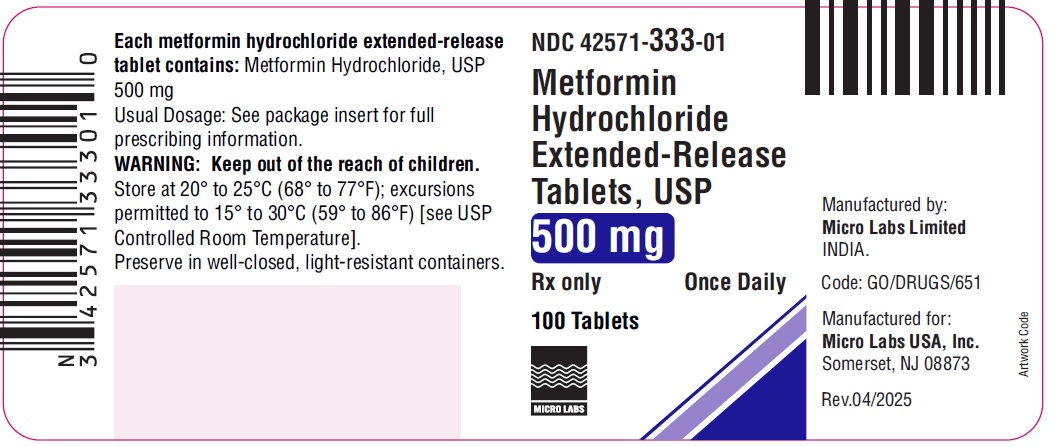
Metformin HCl ER 500 mg (Glucophage XR / Glycomet-GP / Dabex XR)
Extended-Release (ER / XR) • Gentle on Stomach

Metformin HCl ER 500 mg (Glucophage XR / Glycomet-GP / Dabex XR)

White to off-white capsule-shaped tablet • Imprint: 144 / M or LU / Q11

Uses a dual hydrophilic polymer matrix that peaks slowly at 7–8 hours; taken once daily in the middle of dinner, cutting diarrhea and stomach cramps by more than 50% compared with regular IR tablets [5][6].

NDC: 62332-0169-31 (FDA DailyMed Verified)
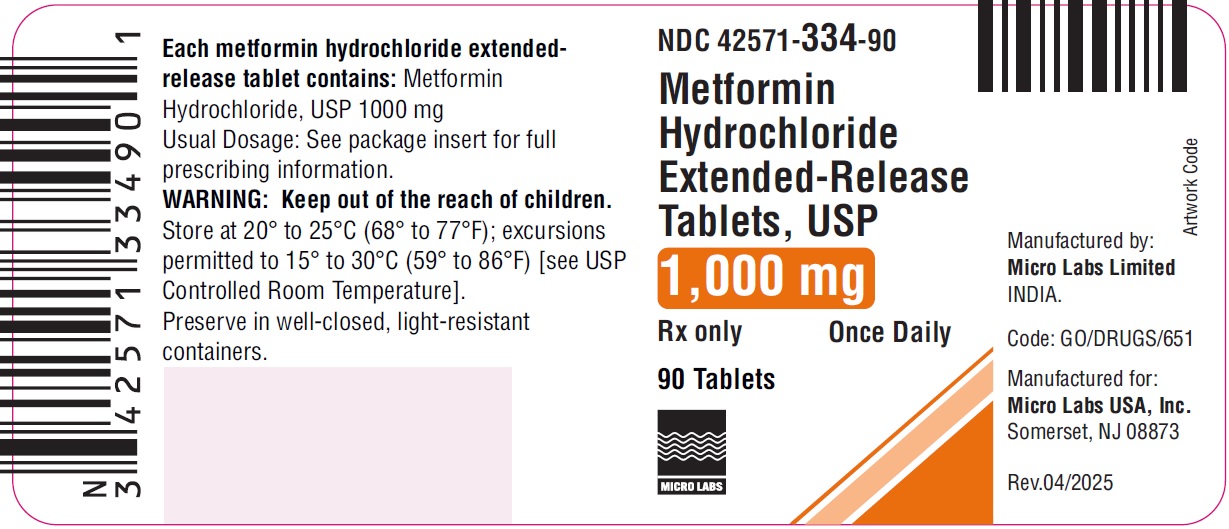
Metformin HCl ER 1,000 mg (Fortamet / Glumetza Equivalent)
Extended-Release High Strength (ER)

Metformin HCl ER 1,000 mg (Fortamet / Glumetza Equivalent)

White oval biconvex film-coated tablet • Osmotic or gel-matrix slow release

Delivers a full 1,000 mg dose over 8–10 hours with your evening meal so patients taking 2,000 mg/day only swallow two tablets instead of four while achieving maximal -1.4% to -2.0% HbA1c reduction [1][4][6].

NDC: 55111-0658-05 (FDA DailyMed Verified)
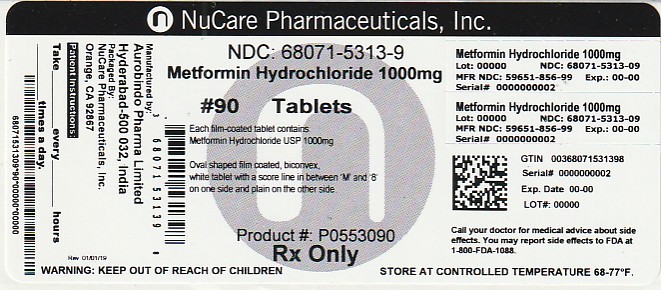
Metformin HCl IR 500 mg / 850 mg / 1,000 mg (Glucophage / Cidophage)
Immediate-Release (IR) • Standard Generic

Metformin HCl IR 500 mg / 850 mg / 1,000 mg (Glucophage / Cidophage)

Round or oval white scored tablet • Rapid dissolution within 60–90 minutes

Reaches peak bloodstream levels in 2.5 hours and must be split twice or three times daily with breakfast and dinner to prevent high unabsorbed concentrations in the small intestine [1][6].

NDC: 00378-0234-01 (FDA DailyMed Verified)
Interactive 24-Hour Pill, Supplement & Coffee Clock • FDA DailyMed Spacing + CMS NADAC Cash Price Check

“Can I Take These Together?” Build Your Conflict-Free Daily Schedule

Toggle your prescriptions and supplements below to see stomach mineral absorption blocks, CYP450 conflicts, and your exact 24-hour clock:

1. Select Your Daily Prescriptions & Supplements (Click to Toggle):
⚠ Active Chelation & Co-Factor Audit (FDA DailyMed + NIH RxNorm)
6 Active Items Scheduled Across 4 Conflict-Free Windows
  • 4-Hour Chelation Block (Levothyroxine + Magnesium / Iron): Magnesium and Iron bind to Levothyroxine in the stomach, cutting thyroid absorption by 30%–45%. We automatically moved Iron to 10:30 AM and Magnesium to 9:30 PM.
  • 60-Minute Coffee & Espresso Rule: Brewed coffee sequesters oral T4 tablets inside the intestinal lumen. Wait 45–60 minutes after 6:30 AM Levothyroxine before drinking coffee (or ask about Tirosint gelcaps).
  • Metformin ER + Vitamin B12 Depletion: Long-term Metformin impairs calcium-dependent ileal B12 uptake. Take Metformin ER mid-dinner (6:30 PM) and verify Serum B12 + MMA annually.
  • Atorvastatin / Rosuvastatin + CoQ10 Synergy: Statins inhibit mevalonate synthesis, lowering endogenous CoQ10. Pairing 100–200 mg Ubiquinol with lunch/dinner supports muscle ATP.
6:30 AM • Fasting Water Only
Levothyroxine (Synthroid / Euthyrox)

Take 30–60 min before coffee/breakfast; keep 4 hours away from Iron, Calcium & Magnesium.

Iron Bisglycinate (25–28 mg Elemental)

Alternate-day morning dosing with 200 mg Vitamin C avoids the 24h hepcidin block and protects Levothyroxine.

12:30 PM • Lunch With 15g Fat
Vitamin D3 (2,000–5,000 IU) + MK-7 + CoQ10

Fat-soluble D3, K2 (MK-7), Omega-3 rTG, and CoQ10 Ubiquinol absorb 32%–50% better with dietary fat.

6:30 PM • Mid-Dinner GI Buffer
Metformin ER (500–1,000 mg)

Taking Extended-Release (ER) mid-dinner cuts GI nausea/diarrhea by >60%. Check Vitamin B12 + MMA yearly.

Atorvastatin (20 mg) or Rosuvastatin (10 mg)

Pairs cleanly with dinner alongside CoQ10 Ubiquinol (100–200 mg) to support muscle mitochondrial ATP.

9:30 PM • Bedtime 60m Pre-Sleep
Magnesium Bisglycinate (200–300 mg Elemental)

Safely separated 15 hours from morning Levothyroxine; glycine + Mg2+ support GABAergic deep sleep.

Verified 30-Day Generic Cash Price Check (Cost Plus & CMS NADAC Benchmark)

Never pay a $45–$68 retail pharmacy walk-in markup for pennies-per-pill generics:

Complete Plain-English Medication Guide • Ranked by Popularity

The Top 20 Questions People Ask About Metformin (Glucophage, Fortamet & Glycomet)—Answered in Plain English

Every question below begins with a 2-sentence Short Answer so you can get the bottom line immediately, followed by the full kitchen-table explanation with numbered PubMed and FDA DailyMed citations ([1]–[11]) and a practical tip you can use today.

1

What does Metformin (Glucophage / Glycomet) actually do inside my body in plain English?

The Short Answer

Metformin helps your body use its own insulin better and tells your liver to stop dumping extra sugar into your blood overnight [1][3]. Because it does not force your pancreas to pump out extra insulin, it rarely drops your blood sugar dangerously low on its own [1].

Think of your liver as a backup pantry that stores sugar (glycogen) and releases it when you need energy between meals. In Type 2 diabetes and prediabetes, that pantry door gets stuck open—pouring extra glucose into your bloodstream at 3:00 A.M. even when your blood sugar is already high. Whether your bottle is labeled generic Metformin HCl, Glucophage (US/UK/Europe), Glycomet (India), Cidophage (Egypt), or Dabex (Mexico), the active molecule quiets that overactive liver sugar dump and helps your muscle cells unlock when insulin knocks [1][3].

Inside liver and muscle cells, Metformin gently inhibits mitochondrial Complex I, which switches on an energy-sensing enzyme called AMP-activated protein kinase (AMPK) [11]. When AMPK activates, hepatic gluconeogenesis (new sugar production) drops by 25% to 35%, and intestinal enterocytes hold onto more glucose inside the gut wall rather than pushing it into your portal vein [1][11]. In the landmark 10.7-year UK Prospective Diabetes Study (UKPDS 34, N = 1,704), overweight Type 2 diabetes patients taking Metformin experienced a 42% reduction in diabetes-related death and a 39% reduction in heart attacks compared with conventional therapy [3].

You will not feel Metformin "kick in" thirty minutes after swallowing it the way you feel a pain reliever. It works quietly in the background over weeks, with fasting morning finger-stick readings dropping first and your 90-day HbA1c lab test reflecting the full shift at three months [1][4].

Try This Today

Write down your fasting morning blood sugar for 7 days when starting Metformin so you and your doctor can watch your overnight liver sugar numbers come down.


2

How much will Metformin lower my A1C—and why is 2,000 mg the magic daily target?

The Short Answer

On average, Metformin lowers HbA1c by 1.0 to 1.5 percentage points (and up to 2.0 points at full dose in patients with higher starting levels) [4]. Fasting blood sugar begins improving within 1 to 2 weeks, while your A1C test takes 12 weeks to show the complete result [1][4].

Your HbA1c lab test measures the percentage of hemoglobin proteins in your red blood cells that have been coated with sugar over their 90-to-120-day lifespan. Because red blood cells turn over gradually, even when Metformin lowers your daily blood sugar within the first two weeks, your laboratory A1C number needs a full three months to reflect your new average [1].

In the definitive double-blind, placebo-controlled dose-response trial by Garber et al. (N = 451), researchers tested daily Metformin doses of 500 mg, 1,000 mg, 1,500 mg, 2,000 mg, and 2,500 mg [4]. Placebo-adjusted HbA1c dropped by roughly 0.9% at 500 mg/day, 1.3% at 1,000 mg/day, and peaked at 2.0% at 2,000 mg/day (p < 0.001) [4]. Pushing the dose from 2,000 mg to 2,500 mg added almost no extra blood sugar benefit while noticeably increasing stomach side effects—which is why clinicians almost always target 1,500 mg to 2,000 mg/day as the sweet spot [1][4].

To get you to that 1,500–2,000 mg target comfortably, prescribers use a "start low, go slow" ramp: beginning at 500 mg once daily with dinner for Week 1–2, then stepping up by 500 mg every 1 to 2 weeks as your gut adapts [1][5].

Try This Today

Put your 90-day follow-up A1C lab date on your calendar the day you start, and never judge your final result before you have been at your target dose for at least 8 to 12 weeks.

3

What is the difference between Regular Metformin (IR) and Extended-Release (Glucophage XR, Fortamet, Glycomet SR)?

The Short Answer

Immediate-Release (IR) Metformin dumps its entire dose into your gut within 60 to 90 minutes and must be taken twice daily [1][6]. Extended-Release (ER / XR / SR) wraps the medicine in a slow-dissolving polymer sponge that releases over 7 to 8 hours with dinner, cutting stomach side effects by more than half [5][6].

Think of Immediate-Release (IR) Metformin (standard Glucophage, Cidophage, or generic IR) as opening a fire hydrant in your small intestine, and Extended-Release (ER)—sold as Glucophage XR, Fortamet, Glumetza, Glycomet-GP/SR, or Dabex XR—as a slow garden soaker hose. In human pharmacokinetic crossover studies by Timmins et al., standard IR tablets hit peak concentration (Tmax) in just 2.5 to 3 hours, flooding the upper gut wall with unabsorbed drug [6]. ER tablets use a dual hydrophilic polymer matrix (GelShield) that swells on contact with stomach fluid and releases Metformin steadily, reaching peak levels at 7 to 8 hours [6].

That slower release dramatically changes how your stomach feels. In a 610-patient clinical cohort study by Blonde et al., patients who suffered stomach upset on regular IR Metformin and switched to ER saw overall gastrointestinal side effects drop by more than 50% (from 26.3% down to 11.7%, p = 0.0006) and diarrhea drop by over 60% (from 13.5% down to 5.4%, p = 0.001) [5]. Even better, ER is taken once daily with your evening meal rather than twice or three times a day [1][6].

Because ER tablets rely on their intact polymer sponge to meter out the medicine, you must swallow ER tablets whole—never crush, split, or chew them, or the entire 500 mg or 1,000 mg dose will dump at once like an IR tablet [1].

Try This Today

Look at your prescription bottle right now: if it does not say "ER," "XR," or "SR" after Metformin HCl and your stomach is rumbling, message your doctor to request a 1:1 milligram switch to Metformin ER.

4

Why does Metformin cause diarrhea or stomach cramps—and how do I make it stop?

The Short Answer

Metformin stomach upset happens locally inside your intestinal wall—not in your bloodstream—because unabsorbed drug increases gut serotonin, lactate, and bile acids in the colon [5][6]. Switching to Extended-Release (ER), taking doses halfway through dinner, and ramping up over 3 to 4 weeks resolves it for over 80% of patients [1][5].

A common myth is that Metformin upsets your stomach because it is "too strong" for your liver or bloodstream. In reality, oral Metformin has an absolute bioavailability of roughly 50% to 60%—meaning 40% to 50% of every tablet remains inside your gastrointestinal tract [1][6]. Enterocytes lining your small intestine accumulate Metformin at concentrations up to 30 to 300 times higher than your blood plasma. That high local concentration slows bile acid reabsorption in the ileum, increases local mucosal serotonin and lactate production, and pulls osmotic water into the bowel—triggering loose stools, gas, or cramping in roughly 25% of people who start Immediate-Release tablets [5].

Three proven clinical adjustments fix this for the vast majority of patients. First, switch from Immediate-Release (IR) to Extended-Release (ER), which cut diarrhea rates from 13.5% down to 5.4% in the Blonde et al. cohort [5]. Second, swallow your tablet in the middle of a substantial meal so food buffers the gut wall [1][6]. Third, step the dose up by 500 mg every 10 to 14 days rather than starting at 1,000 mg or 2,000 mg on Day 1 [1][4].

If diarrhea persists beyond 4 weeks despite switching to ER and mid-meal dosing, or if you ever experience severe dehydration, dizziness, or relentless vomiting, contact your prescriber to temporarily lower your dose or pause treatment during acute stomach illness [1].

Try This Today

Avoid sugar-free candies or gums sweetened with sorbitol, xylitol, or maltitol while starting Metformin—those sugar alcohols pull extra water into the exact same part of the gut.

5

What is the best time of day to take Metformin (and why does middle-of-dinner matter for ER)?

The Short Answer

For Extended-Release (ER), taking your full dose once daily in the middle of your evening meal actually increases total drug absorption by ~50% while syncing peak action with overnight liver sugar production [1][6]. For Immediate-Release (IR), split your doses with breakfast and dinner [1].

Here is a fascinating pharmacokinetic quirk documented in the FDA DailyMed label and Timmins et al.: regular Immediate-Release (IR) Metformin absorbs slightly less when taken with food, but Extended-Release (ER) Metformin behaves the exact opposite way [1][6]. When you swallow Metformin ER with a full evening meal, food slows stomach emptying just enough to keep the GelShield polymer tablet in the upper digestive tract longer—increasing total 24-hour drug absorption (AUC) by roughly 50% compared with fasting while smoothing out the peak concentration [6].

Taking Metformin ER halfway through dinner also matches your body’s circadian clock. Because ER tablets reach peak plasma concentration 7 to 8 hours after swallowing, an evening dose taken at 6:30 P.M. hits its peak efficacy between 1:30 A.M. and 2:30 A.M.—right when your liver’s nocturnal gluconeogenesis and the cortisol-driven "dawn phenomenon" try to push your morning fasting sugar up [1][6].

Taking the tablet partway through eating—after a few bites of protein and vegetables, with the rest of your meal following—sandwiches the tablet inside food chyme so it never sits directly against bare stomach mucosa [1].

Try This Today

Place your Metformin ER bottle right next to your salt shaker or dinner napkin holder so taking it halfway through dinner becomes effortless.

6

Does Metformin actually cause weight loss—or is it just from stomach side effects?

The Short Answer

Metformin produces modest, genuine weight loss averaging 4 to 6 pounds (2.1 kg) over 1 to 3 years, even in patients who have zero stomach side effects [2]. It works by lowering fat-storing insulin levels and boosting the gut satiety hormone GDF-15 [2][3].

For years, people wondered whether Metformin weight loss was simply the result of mild nausea or diarrhea during the first month. The 3,234-person Diabetes Prevention Program (DPP) trial published in the New England Journal of Medicine settled that question definitively [2]. Participants randomized to Metformin lost an average of 2.1 kg (4.6 pounds) and kept it off across years of follow-up, regardless of whether they reported any gastrointestinal symptoms [2]. Similarly, in the 10-year UKPDS 34 trial, Metformin remained completely weight-neutral or modestly weight-reducing while insulin and sulfonylureas caused 3 to 5 kg of weight gain [3].

Biochemically, Metformin nudges weight down through two non-stomach pathways: first, by improving insulin sensitivity so your pancreas secretes less circulating insulin (high insulin locks fat inside adipose tissue); and second, by stimulating intestinal and renal cells to secrete Growth Differentiation Factor 15 (GDF-15) and GLP-1, which signal the brainstem to quiet appetite and food cravings [2][11].

Keep expectations realistic: Metformin is a weight-stabilizing and modest 4-to-6-pound weight-loss medication—not a 15% body-weight reducer like injectable GLP-1/GIP agonists [2].

Try This Today

Pair your evening Metformin dose with a 15-minute walk after dinner—muscle contractions open GLUT4 glucose doors without needing extra insulin, multiplying the metabolic benefit.

7

Why does my pill bottle have a Black Box Warning about lactic acidosis—and how rare is it really?

The Short Answer

The FDA boxed warning covers Metformin-associated lactic acidosis (MALA), a serious emergency that occurs in only ~4.3 per 100,000 patient-years—almost exclusively when severe kidney failure, dehydration, or organ hypoxia prevents the body from clearing the drug [1][9].

When you read the folded paper insert attached to your pharmacy bag, the bold Black Box Warning for lactic acidosis can look terrifying. That warning has historical roots: in the 1970s, an older biguanide drug called phenformin caused fatal lactic acidosis and was pulled from the market. Metformin has a completely different molecular structure that does not bind strongly to mitochondrial membranes the way phenformin did, but the FDA retained the class warning so prescribers respect kidney thresholds [1][9].

How rare is lactic acidosis on Metformin? A comprehensive Cochrane Systematic Review by Salpeter et al. pooled 347 comparative trials and cohort studies covering 70,490 patient-years of Metformin treatment [9]. They found zero cases of fatal or nonfatal lactic acidosis across the prospective trials, and an estimated upper-bound incidence of 4.3 cases per 100,000 patient-years in the Metformin group versus 5.4 cases per 100,000 patient-years in diabetes patients not taking Metformin [9].

Virtually every real-world case of MALA occurs when a secondary crisis—such as acute kidney shutdown (eGFR < 30), severe dehydration from days of vomiting/diarrhea, sepsis, decompensated heart failure, or binge alcohol intake—stops the kidneys from excreting Metformin or starves tissues of oxygen [1][9]. If you ever develop severe unexplained muscle pain, rapid deep breathing, extreme drowsiness, or abdominal pain with vomiting, seek emergency care immediately [1].

Try This Today

Follow the "Sick-Day Rule": if you catch a severe stomach flu with vomiting or diarrhea and cannot keep fluids down for 24 hours, pause Metformin and call your doctor until you are hydrated again.

8

Does Metformin damage your kidneys—and what are the FDA eGFR kidney score rules?

The Short Answer

Metformin does not damage the kidneys; it simply exits the body unchanged through urine [1][10]. Under the 2016 FDA guidelines, Metformin is safe at full dose when eGFR is 45 or higher, safe at a reduced 1,000 mg/day dose when eGFR is 30 to 44, and stopped only if eGFR drops below 30 [1][10].

One of the biggest misconceptions in medicine is that Metformin is "toxic to the kidneys." In reality, Metformin is not metabolized by the liver at all and is excreted 90% unchanged by the kidneys via glomerular filtration and tubular secretion [1][6]. It passes through the kidneys without harming nephrons—in fact, by lowering blood sugar, it protects the kidneys’ delicate blood vessels from diabetic nephropathy [3][10]. The only reason kidney function matters is clearance: if kidney filtration slows way down, Metformin can accumulate in the bloodstream [1][10].

Following a landmark JAMA systematic review by Inzucchi et al. (2014), the FDA modernized the Metformin label in April 2016, replacing outdated serum creatinine cutoffs with estimated Glomerular Filtration Rate (eGFR) tiers [1][10]:

• eGFR ≥ 45 mL/min/1.73m²: Standard full dosing (up to 2,000 mg ER or 2,550 mg IR daily) with annual eGFR lab monitoring [1][10]. • eGFR 30 to 44 mL/min/1.73m²: Do not initiate new therapy, but patients already taking Metformin can safely continue at a reduced maximum dose of 1,000 mg/day with eGFR checked every 3 to 6 months [1][10]. • eGFR < 30 mL/min/1.73m²: Metformin is contraindicated and must be discontinued [1].

Try This Today

Open your online lab portal today and look up your latest "eGFR" number on your Basic or Comprehensive Metabolic Panel so you know exactly which safety tier you are in.

9

Why do doctors tell you to pause Metformin for 48 hours around a CT scan with IV contrast dye?

The Short Answer

Iodinated IV contrast dye used in CT scans and heart angiograms can occasionally cause a brief 48-hour dip in kidney filtration [1]. Holding Metformin at the time of the scan—especially if your eGFR is 30 to 60—prevents the drug from backing up while your kidneys clear the dye [1].

When you have a contrast-enhanced CT scan or cardiac catheterization, the radiology team injects an iodine-based dye that your kidneys must filter out over the next two days. In a small percentage of patients—particularly those with pre-existing chronic kidney disease—that dye can trigger transient contrast-associated acute kidney injury. Because Metformin leaves the body through those same kidney filters, a sudden temporary stall in kidney filtration could cause Metformin levels to build up [1].

According to the official FDA DailyMed label, you must temporarily stop Metformin at the time of (or prior to) an iodinated contrast procedure if any of the following apply: (1) your eGFR is between 30 and 60 mL/min/1.73m², (2) you have a history of liver disease, alcoholism, or heart failure, or (3) you are receiving intra-arterial iodinated contrast (such as a coronary angiogram) [1]. Your provider rechecks your eGFR 48 hours after the scan and restarts Metformin once kidney function is confirmed stable [1].

Pausing Metformin for 48 hours will not cause a dangerous blood sugar emergency, and staying well hydrated before and after the scan helps flush the contrast dye smoothly [1].

Try This Today

Whenever any doctor orders a CT scan or heart test, tell the scheduling nurse immediately: "I take Metformin—do I need to hold it on the day of my scan and get a 48-hour kidney lab before restarting?"

10

Can Metformin drain my Vitamin B12 levels and cause fatigue or tingling feet?

The Short Answer

Yes—randomized trials show long-term Metformin lowers serum Vitamin B12 by ~19% on average because it interferes with calcium-dependent B12 uptake in the lower small intestine [7][8]. An annual B12 blood test and a simple oral B12 or calcium supplement easily prevent deficiency [7][8].

Vitamin B12 (cobalamin) is essential for maintaining the protective myelin sheath around your peripheral nerves and building healthy red blood cells. To absorb B12 from food, the Intrinsic Factor–B12 complex must bind to cubilin receptors in the terminal ileum (the final section of your small intestine)—a lock-and-key step that requires positively charged calcium ions (Ca2+). Metformin carries a positive charge at physiological pH that embeds in the enterocyte membrane and repels calcium ions, quietly blocking B12 absorption [7][8].

Because your liver stores a 3-to-5-year reserve of Vitamin B12, depletion develops gradually. In a 4.3-year randomized placebo-controlled trial published in the BMJ by de Jager et al. (N = 390), Metformin lowered mean Vitamin B12 levels by 19% (p < 0.001), with 1 in every 13.8 patients developing outright clinical deficiency [8]. In the 13-year Diabetes Prevention Program Outcomes Study (DPPOS, N = 2,155) by Aroda et al., each year of Metformin exposure raised B12 deficiency odds by 13%, and patients with low B12 had significantly higher rates of numbness and tingling in their feet—symptoms that are frequently misdiagnosed as worsening diabetic neuropathy [7].

The American Diabetes Association (ADA) and FDA DailyMed label now explicitly recommend periodic Vitamin B12 testing for anyone on Metformin, especially after 4+ years of use or if you have fatigue, brain fog, or tingling toes [1][7]. A daily sublingual or oral Vitamin B12 supplement (1,000 mcg methylcobalamin or cyanocobalamin) restores levels without ever needing to stop Metformin [7][8].

Try This Today

Ask your doctor to add "Serum Vitamin B12 and Methylmalonic Acid (MMA)" to your annual diabetes lab order—especially if you also take acid blockers like omeprazole.

11

Why did I see what looks like a whole, undissolved Metformin ER tablet in the toilet?

The Short Answer

Seeing an intact tablet shell in your stool is completely normal with many Extended-Release (ER) Metformin brands and generics [1][6]. The active medicine has already dissolved out of the porous polymer sponge during transit, leaving only the empty insoluble casing behind [1][6].

Few things alarm a patient faster than looking down and seeing what appears to be a whole white Metformin ER tablet floating in the toilet bowl. Many people assume the pill passed right through them without working and are tempted to swallow another tablet. Do not double up—what you are seeing is a classic pharmaceutical design called a "ghost tablet" or insoluble matrix shell [1][6].

In Extended-Release formulations (including Glucophage XR, Fortamet, and many generic ER tablets), the active Metformin hydrochloride is suspended inside an insoluble polymer honeycomb or laser-drilled osmotic shell [6]. As the tablet travels through your stomach and intestines over 7 to 10 hours, intestinal fluid enters the matrix and dissolves the active drug out into your bloodstream while the outer cellulose frame remains structurally intact and exits in the stool—just like an empty teabag after the tea has steeped [1][6].

The only time a ghost shell means reduced absorption is if you are having severe watery diarrhea with rapid bowel transit under 2 to 3 hours. Otherwise, if your home fasting blood sugar and A1C are on target, the medicine absorbed exactly as designed [1].

Try This Today

Never take an extra tablet if you spot a ghost shell in the bathroom—check your morning blood sugar log instead, which proves the active medicine is inside your system.

12

Why do my Metformin pills smell slightly like fish—have they gone bad?

The Short Answer

No—a mild fishy or ammonia-like scent when you open the bottle is a normal chemical property of Metformin hydrochloride (a dimethylbiguanide amine compound) and does not mean the medication is spoiled [1].

If you open a fresh prescription bottle of generic Metformin and catch a distinct whiff of fish, you are not imagining things. Chemically, Metformin (N,N-dimethylimidodicarbonimidic diamide) is rich in nitrogen-containing amine groups. Trace volatile dimethylamine molecules naturally off-gas inside a tightly capped plastic pharmacy vial—the exact same chemical family responsible for the scent of marine fish [1].

Unflamboyant white Immediate-Release tablets have no perfume coating to mask that natural amine odor, so the smell builds up inside the sealed bottle headspace between openings. Once you set a single tablet on the counter for 30 seconds, the scent largely dissipates. Some Extended-Release (ER) brands add a thin vanilla or film coating that reduces the smell substantially.

As long as your tablets are dry, firm, unbroken, and stored at room temperature (68°F–77°F / 20°C–25°C) away from bathroom shower steam, a mild amine scent is completely harmless [1].

Try This Today

Store your Metformin bottle in a cool, dry kitchen cabinet or nightstand drawer rather than a humid bathroom medicine cabinet, and let your tablet air out for 15 seconds before swallowing.

13

Can I have a glass of wine or beer while taking Metformin?

The Short Answer

A modest single drink paired with food is generally safe for patients with healthy liver and kidney function, but heavy or binge drinking while taking Metformin is strictly contraindicated because alcohol blocks hepatic lactate clearance and raises lactic acidosis and hypoglycemia risk [1][9].

When your liver metabolizes ethanol (alcohol), alcohol dehydrogenase and aldehyde dehydrogenase enzymes convert NAD+ into NADH. That sudden spike in the cellular NADH/NAD+ ratio blocks your liver from converting lactate back into pyruvate (gluconeogenesis) [1]. Because Metformin also modestly reduces hepatic lactate uptake, combining Metformin with heavy alcohol intake creates a metabolic bottleneck where both lactic acid buildup and sudden low blood sugar can occur [1][9].

For that reason, the official FDA DailyMed label warns patients to avoid excessive alcohol intake—both acute binge drinking and chronic heavy daily drinking—while taking Metformin [1]. In Salpeter’s Cochrane review and FDA post-marketing records, acute alcohol intoxication or underlying alcoholic liver disease is one of the most frequent co-triggers in rare lactic acidosis cases [1][9].

If your doctor confirms your liver enzymes (ALT/AST) and kidney function (eGFR ≥ 60) are completely normal, an occasional single glass of wine (5 oz) or beer (12 oz) eaten alongside a balanced meal is typically permitted—never on an empty stomach or after vigorous fasting exercise [1].

Try This Today

Never drink alcohol on an empty stomach while taking Metformin, and skip alcohol completely if you have elevated liver enzymes, pancreatitis history, or an eGFR below 60.

14

Can Metformin cause a dangerous low blood sugar crash (hypoglycemia) on its own?

The Short Answer

Under normal eating conditions, Metformin taken by itself almost never causes dangerous hypoglycemia (<70 mg/dL) because it is an insulin sensitizer rather than an insulin secretagogue [1][3]. Low blood sugar crashes mainly happen when Metformin is combined with insulin or sulfonylureas like glipizide [1].

Older diabetes pills in the sulfonylurea class (such as glipizide, glyburide, and glimepiride) squeeze the beta cells of your pancreas to release insulin continuously, even when your blood sugar is already dropping. Metformin works through a completely different mechanism: it reduces excess liver sugar output and improves muscle receptor sensitivity to your body’s natural insulin without forcing extra insulin secretion [1][3]. Because your pancreas still turns down its own insulin release when blood glucose reaches normal levels (80–100 mg/dL), Metformin preserves your body’s natural safety floor [1][3].

In both the 10-year UKPDS 34 trial and the NEJM Diabetes Prevention Program trial, rates of severe hypoglycemia on Metformin monotherapy were virtually zero and indistinguishable from placebo [2][3].

However, if you take Metformin alongside basal/mealtime insulin or a sulfonylurea, Metformin’s insulin-sensitizing effect can amplify those other drugs and cause blood sugar to dip below 70 mg/dL—requiring your doctor to trim the dose of the sulfonylurea or insulin [1].

Try This Today

If you take Metformin plus glipizide, glimepiride, or insulin and feel shaky, sweaty, or lightheaded, follow the 15-15 Rule: take 15 grams of fast carbs (4 oz juice), wait 15 minutes, and recheck your finger-stick sugar.

15

Why do doctors prescribe Metformin for PCOS, prediabetes, and fertility even if you do not have diabetes?

The Short Answer

Both prediabetes and Polycystic Ovary Syndrome (PCOS) are driven by underlying insulin resistance [2]. By lowering high circulating insulin levels, Metformin cut progression from prediabetes to Type 2 diabetes by 31% in the NEJM DPP trial and helps lower ovarian androgen excess to restore ovulation in PCOS [2].

You do not need to have Type 2 diabetes for high insulin levels (hyperinsulinemia) to cause trouble in your body. In prediabetes (HbA1c 5.7%–6.4% or fasting glucose 100–125 mg/dL), your cells resist insulin, forcing your pancreas to work overtime. In the landmark 3,234-patient Diabetes Prevention Program (DPP) trial, Metformin 850 mg twice daily reduced the 3-year progression from prediabetes to Type 2 diabetes by 31% overall—and by ~50% in younger adults aged 25 to 44 and people with a BMI of 35 or higher [2].

In Polycystic Ovary Syndrome (PCOS), high circulating insulin acts directly on ovarian theca cells to stimulate excess testosterone production while suppressing sex hormone-binding globulin (SHBG) in the liver. That hormonal cascade halts normal follicular maturation and causes irregular or absent periods. By lowering fasting insulin by 20% to 35%, Metformin (typically 1,500–2,000 mg/day ER) reduces free androgen levels and helps restore regular menstrual cycles and spontaneous ovulation.

While letrozole remains the first-line targeted medication for ovulation induction in fertility clinics, Metformin is widely used off-label in PCOS to improve metabolic health, insulin resistance, and cycle regularity.

Try This Today

If you are taking Metformin for PCOS or fertility and miss a period, take a home pregnancy test and notify your OB-GYN so they can confirm whether to continue or taper your dose during pregnancy.

16

Why are longevity scientists studying Metformin for healthy aging—and what is the exercise catch?

The Short Answer

Metformin activates cellular AMPK energy sensors, reduces oxidative stress, and cut cardiovascular and all-cause mortality by 36% to 42% in overweight diabetic patients in UKPDS 34 [3][11]. However, in healthy non-diabetic older adults, longevity benefits remain unproven until the TAME trial completes, and some studies suggest Metformin can slightly blunt aerobic exercise gains [11].

Interest in Metformin as a longevity drug began when epidemiologists noticed that overweight Type 2 diabetes patients treated with Metformin in the UKPDS 34 trial had a 36% lower all-cause mortality rate and 39% fewer heart attacks than peers on conventional therapy [3]. At the cellular level, Barzilai et al. (Cell Metabolism, PMID 27304507) outlined how Metformin targets multiple hallmarks of aging simultaneously: activating AMPK, inhibiting mTORC1 signaling, reducing pro-inflammatory senescence-associated cytokines, and improving insulin sensitivity [11].

To test whether those cellular mechanisms delay age-related chronic diseases (heart disease, cancer, cognitive decline, and mortality) in people without diabetes, researchers designed the TAME (Targeting Aging with Metformin) randomized trial across 3,000 older adults aged 65 to 79 [11]. Until large randomized trials in non-diabetic humans report hard outcomes, taking Metformin purely as an anti-aging supplement remains an unproven hypothesis.

Healthy athletes should also weigh a documented physiological trade-off: because Metformin acts by mildly inhibiting mitochondrial Complex I, human exercise studies in older adults have shown that daily Metformin can partially blunt VO2max cardiorespiratory fitness improvements and skeletal muscle hypertrophy responses to resistance training.

Try This Today

If you do not have diabetes, prediabetes, or PCOS, focus on zone-2 aerobic exercise and strength training first—in the NEJM DPP trial, structured lifestyle and exercise beat Metformin 58% to 31% [2].

17

Which medications can interact with Metformin or slow down its clearance in the kidneys?

The Short Answer

Drugs that compete for renal OCT2/MATE tubular transporters (such as cimetidine, dolutegravir, ranolazine, and trimethoprim) can raise blood Metformin levels, while carbonic anhydrase inhibitors (topiramate, acetazolamide) and heavy alcohol increase acid-base risk [1]. Steroids like prednisone and thiazide diuretics can push blood sugar up against Metformin [1].

Because Metformin is not broken down by liver CYP450 enzymes, it avoids many classic liver drug interactions—but it relies heavily on specialized kidney transport proteins called Organic Cation Transporter 2 (OCT2) and Multidrug and Toxin Extrusion (MATE1/MATE2-K) to move from your bloodstream into your urine [1][6]. Certain prescription medications block those exact renal doors:

• Renal Transporter Competitors (OCT2/MATE Inhibitors): Cimetidine (Tagamet—an over-the-counter stomach acid blocker), dolutegravir (HIV therapy), ranolazine (angina), vandetanib, and trimethoprim (found in Bactrim/Septra antibiotics) reduce Metformin kidney clearance and can increase blood Metformin exposure by 40% to 80% [1]. (Note: famotidine/Pepcid does not block OCT2 the way cimetidine does). • Carbonic Anhydrase Inhibitors: Topiramate (Topamax for migraines/weight), zonisamide, and acetazolamide lower serum bicarbonate and increase the risk of metabolic/lactic acidosis when paired with Metformin [1]. • Hyperglycemic Medications: Oral corticosteroids (prednisone, dexamethasone), high-dose thiazide diuretics, and atypical antipsychotics can spike blood glucose and counteract Metformin’s effect [1].

Always ask your pharmacist to run an OCT2/MATE and acid-base interaction check whenever you start a new antibiotic, migraine preventative, or heart medication [1].

Try This Today

If you need an over-the-counter heartburn reducer while taking Metformin, choose famotidine (Pepcid) rather than cimetidine (Tagamet), which blocks kidney clearance of Metformin [1].

18

What should I do if I forget to take my evening Metformin dose—should I double up in the morning?

The Short Answer

Never double up on Metformin to make up for a missed dose [1]. If you remember within 2 to 3 hours of dinner, take your dose with a small snack; if it is already bedtime or the next morning, skip the missed dose and resume your normal schedule [1].

Forgetting an evening tablet happens to everyone eventually. The worst mistake you can make is swallowing a double dose (for example, taking 2,000 mg all at once instead of your normal 1,000 mg) at your next meal [1]. Because intestinal absorption of Metformin is saturable—meaning your gut transporters can only absorb a limited amount at one time—dumping a double dose into your stomach actually lowers the percentage absorbed into your blood while leaving a massive pool of unabsorbed drug in your bowel, almost guaranteeing cramps and diarrhea [4][6].

If you take once-daily Extended-Release (ER) Metformin with dinner at 6:30 P.M. and realize at 8:30 P.M. that you forgot, you can safely take it alongside a light snack (such as a handful of almonds or yogurt). If you do not realize until the next morning, simply skip the missed evening dose and take your normal dinner dose that night [1].

Skipping a single dose of Metformin will not cause a dangerous rebound spike—your morning fasting blood sugar may read 10 to 20 mg/dL higher for one day, and then settle right back down once you resume your schedule [1].

Try This Today

Use a 7-day pill organizer with evening compartments so you never have to guess at 9:00 P.M. whether you already swallowed your dinner Metformin.

19

Why does Metformin have different brand names around the world—and how do I pay under $5 a month?

The Short Answer

Metformin has been off-patent for decades, so pharmacies buy generic tablets for $0.02 to $0.04 per pill ($1.20–$3.60/month wholesale) [1]. Whether sold as generic Metformin HCl, Glucophage (US/UK/EU), Glycomet (India), Cidophage (Egypt), or Dabex (Mexico), the active molecule is identical [1].

Because Metformin was first synthesized in 1922, studied clinically in France by Jean Sterne in 1957 (who named it Glucophage, meaning "glucose eater"), and approved by the U.S. FDA in 1994, dozens of FDA- and EMA-inspected manufacturers produce bioequivalent tablets worldwide [1]. If you travel or compare family prescriptions across countries, you will see different brand names on the box: Glucophage and Glucophage XR in the US, UK, Europe, and Thailand; Fortamet and Glumetza for specialized US Extended-Release tablets; Glycomet and Glycomet-GP in India; Cidophage in Egypt; and Dabex in Mexico.

In the United States, CMS National Average Drug Acquisition Cost (NADAC) wholesale data shows pharmacies purchase generic Metformin IR 500 mg for roughly $0.02 per tablet ($1.20 for 60 tablets) and Metformin ER 500 mg for roughly $0.04 per tablet ($2.40 for 60 tablets).

However, retail pharmacy walk-in cash prices without a discount card can still range from $4 to $25 due to dispensing fees. Requesting a 90-day supply through transparent cost-plus pharmacies or warehouse clubs (Costco, Walmart, Sam’s Club) routinely keeps your out-of-pocket cost between $4 and $10 for a full three months.

Try This Today

Ask your doctor to write your Metformin ER prescription as a 90-day supply rather than a 30-day supply—you will save two pharmacy trips and often pay less for 90 days than a single 30-day insurance copay.

20

Can I ever come off Metformin if I reverse my A1C—and what 7 questions should I ask my doctor?

The Short Answer

Yes—many patients who achieve sustained weight loss (7%–10%+ of body weight) and maintain an HbA1c below 5.7% to 6.0% for 6 to 12 months can safely taper off Metformin under medical supervision [2]. Always step down gradually with 90-day A1C checks rather than stopping abruptly on your own [1][2].

Lowering your A1C into the normal range (<5.7%) or prediabetes range (5.7%–6.4%) through nutrition, post-meal walking, and weight loss is a huge milestone. When patients lose 7% to 15% of their body weight—reducing visceral fat stored inside the liver and pancreas—their natural insulin sensitivity and beta-cell function often recover enough to maintain normal blood sugar without medication, especially within the first 5 years of diagnosis [2].

Before stopping, remember two clinical realities: first, part of your lower A1C is currently coming from Metformin’s 1.0%–1.5% glucose-lowering effect [4]; second, many patients choose to stay on a low maintenance dose (such as 500 mg–1,000 mg ER daily) long-term because of Metformin’s proven cardiovascular protection in UKPDS 34, low cost, and zero hypoglycemia risk [3].

If you and your doctor decide to trial coming off Metformin, bring these 7 questions to your visit: 1. Has my HbA1c stayed at target for at least 6 months, and should we step down by 500 mg for 90 days before stopping completely? 2. What fasting morning glucose number at home should prompt me to restart my dose? 3. Am I currently on Immediate-Release (IR) or Extended-Release (ER), and is my dose optimized for my latest eGFR kidney score? 4. Can we order a baseline Serum Vitamin B12 and MMA lab test this year? 5. What is my exact "Sick-Day Plan" if I get dehydrated or have a CT scan with IV contrast dye? 6. Are any of my other prescriptions (like blood pressure pills or heartburn reducers) affecting my blood sugar or Metformin clearance? 7. Given my cardiovascular history, do I gain long-term heart protection by keeping a low maintenance dose?

Try This Today

Screenshot or print those 7 questions before your next primary care or endocrinology visit so you cover dosing, kidney eGFR, and Vitamin B12 in under five minutes.

Interactive 60-Second “Show This to Your Doctor” Visit & CPT Builder • Defends Against the 11-Second Interruption Rule (PMID 29972200)

Walk Into Your 15-Minute Appointment With Exact Labs, CPT Codes & Opening Words

Clinicians interrupt patients after a median of 11 seconds (J Gen Intern Med, PMID 29972200). Select your appointment reason below to generate your 1-page script:

15-Minute Exam-Room Agenda • High-Volume Endocrinology

Hypothyroidism, Subclinical TSH Drift (2.5–8.0 mIU/L) or Thyroid Nodule

1. Your 10-Second Opening Script (Read Verbatim Before the 11-Second Interruption)

"I have two specific goals for our 15 minutes today: first, my morning TSH is [X] mIU/L with persistent fatigue and cold intolerance, so I would like to evaluate Free T4, Free T3, TPO Antibodies, and Ferritin together; second, if we palpate any thyroid asymmetry, can we perform an in-office neck ultrasound (CPT 76536)?"

2. In-Office Medicare CPT Procedures to Verify Before Booking
CPT 76536 In-Office High-Resolution Thyroid & Neck Ultrasound

Confirms the endocrinologist images thyroid nodules themselves rather than sending you to a hospital radiology department.

CPT 60100 Ultrasound-Guided Fine-Needle Aspiration (FNA) Biopsy

Identifies structural thyroid specialists vs. general diabetes-only clinics.

3. Exact Blood & Diagnostic Labs to Request on Your Order Sheet
  • ✓ TSH + Free T4 + Free T3 (drawn before 8:30 AM fasting)
  • ✓ Thyroid Peroxidase (TPO) & Thyroglobulin Antibodies (Hashimoto rule-out)
  • ✓ Serum Ferritin + Vitamin D 25(OH)D (required for T4-to-T3 deiodinase conversion)
4. Day-1 Pre-Appointment Rule

Hold all Biotin (Vitamin B7) supplements for 72 hours before your blood draw so streptavidin assay interference does not create a false TSH/Free T4 reading.

Deep-Dive Clinical Evidence Reviews • Stomach, Vitamin B12 & Longevity

Featured Clinical Reviews on Metformin

Type 2 Diabetes Guide →
Verified Primary Literature • NCBI PubMed & FDA DailyMed

Peer-Reviewed Clinical Trials & Official FDA Sources ([1]–[11])

Toggle References ▾
[1]
Metformin Hydrochloride (Glucophage / Glucophage XR) Official Structured Product Labeling (SPL)
U.S. Food and Drug Administration (FDA) & National Library of Medicine (2024) • FDA DailyMed Drug Label Registry (RxCUI #6809)

Official federal package insert establishing IR (500–2,550 mg/day) and ER (500–2,000 mg/day) dosing, 2016 eGFR kidney thresholds, iodinated contrast pause rules, and boxed lactic acidosis warning.

[2]
Reduction in the incidence of type 2 diabetes with lifestyle intervention or metformin
Knowler WC, Barrett-Connor E, Fowler SE, et al. (Diabetes Prevention Program Research Group) (2002) • New England Journal of Medicine (NEJM)

Landmark multicenter randomized controlled trial (N = 3,234) showing Metformin 850 mg twice daily cut Type 2 diabetes progression by 31% and produced sustained ~2.1 kg (4.6 lb) average weight loss.

[3]
Effect of intensive blood-glucose control with metformin on complications in overweight patients with type 2 diabetes (UKPDS 34)
UK Prospective Diabetes Study (UKPDS) Group (1998) • The Lancet

Prospective randomized trial (N = 1,704, median 10.7 years) proving Metformin reduced diabetes-related mortality by 42%, all-cause mortality by 36%, and heart attack risk by 39% without weight gain or severe hypoglycemia.

[4]
Efficacy of metformin in type II diabetes: results of a double-blind, placebo-controlled, dose-response trial
Garber AJ, Duncan TG, Goodman AM, Mills DJ, Rohlf JL (1997) • The American Journal of Medicine

Double-blind randomized dose-response study (N = 451; 500 mg to 2,500 mg/day) demonstrating that 1,500–2,000 mg/day captures maximal HbA1c reduction (-1.4% to -2.0%) before gut side effects rise.

[5]
Gastrointestinal tolerability of extended-release metformin tablets compared to immediate-release metformin tablets: results of a retrospective cohort study
Blonde L, Dailey GE, Jabbour SA, Reasner CA, Mills DJ (2004) • Current Medical Research and Opinion

Clinical cohort comparison (N = 610) showing patients switched from Immediate-Release (IR) to Extended-Release (ER) Metformin experienced a >50% reduction in GI side effects (26.3% down to 11.7%, p = 0.0006) and >60% less diarrhea.

[6]
Steady-state pharmacokinetics of a novel extended-release metformin formulation
Timmins P, Donahue S, Meeker J, Marathe P (2005) • Clinical Pharmacokinetics

Human pharmacokinetic crossover study proving the GelShield dual-polymer ER matrix delays peak absorption (Tmax) to 7–8 hours vs. 2.5–3 hours for IR and improves bioavailability when taken with the evening meal.

[7]
Long-Term Metformin Use and Vitamin B12 Deficiency in the Diabetes Prevention Program Outcomes Study
Aroda VR, Edelstein SL, Goldberg RB, et al. (2016) • Journal of Clinical Endocrinology & Metabolism (JCEM)

13-year longitudinal analysis (N = 2,155) finding each year of Metformin use increased biochemical Vitamin B12 deficiency odds by 13% and raised peripheral neuropathy prevalence among B12-low patients.

[8]
Long term treatment with metformin in patients with type 2 diabetes and risk of vitamin B-12 deficiency: randomised placebo controlled trial
de Jager J, Kooy A, Lehert P, et al. (2010) • BMJ

Randomized placebo-controlled trial (N = 390 over 4.3 years) demonstrating a 19% mean reduction in serum Vitamin B12 (p < 0.001) and a Number Needed to Harm (NNH) of 13.8 for absolute B12 deficiency.

[9]
Risk of fatal and nonfatal lactic acidosis with metformin use in type 2 diabetes mellitus
Salpeter SR, Greyber E, Pasternak GA, Salpeter EE (2010) • Cochrane Database of Systematic Reviews

Pooled analysis of 347 trials and cohort studies (70,490 patient-years) finding an incidence of 4.3 lactic acidosis cases per 100,000 patient-years—no higher than non-metformin diabetes therapies when eGFR rules are followed.

[10]
Metformin in patients with type 2 diabetes and kidney disease: a systematic review
Inzucchi SE, Lipska KJ, Mayo H, Bailey CJ, McGuire DK (2014) • JAMA

Systematic clinical review that prompted the 2016 FDA label expansion allowing safe Metformin continuation at 1,000 mg/day in mild-to-moderate chronic kidney disease (eGFR 30–44 mL/min/1.73m2).

[11]
Metformin as a Tool to Target Aging
Barzilai N, Crandall JP, Kritchevsky SB, Espeland MA (2016) • Cell Metabolism

Foundational TAME (Targeting Aging with Metformin) trial framework evaluating AMPK activation, mitochondrial Complex I modulation, and age-related multimorbidity endpoints.

Clinical & Regulatory Disclaimer (FDA DailyMed & ADA Alignment)

This guide synthesizes official U.S. Food and Drug Administration (FDA) DailyMed Structured Product Labeling (RxCUI #6809) and peer-reviewed human clinical trials indexed in NCBI PubMed. It is provided for educational and medication-literacy purposes only and does not constitute individualized medical advice, diagnosis, or prescribing instructions. Never stop, split, or change your dose of Metformin (Glucophage, Fortamet, Glumetza, Glycomet, Cidophage, or Dabex) without consulting your prescribing physician or pharmacist. Seek immediate emergency care if you experience symptoms of lactic acidosis (unexplained muscle pain, trouble breathing, severe drowsiness, or abdominal distress with vomiting).

The Human Side • Real Patient Reviews & Forum

Taking Metformin (Glucophage / ER)? Share Your Experience or Ask a Question

Did switching from regular Metformin to Extended-Release (ER) fix your stomach? How much did your A1C drop after 90 days? Log your experience or start a discussion below.

15-Second Anonymous Micro-Log (Zero-PHI Architecture)

Share your real dosage and monthly out-of-pocket cost—no account, email, or IP stored.

“People Like Me” Cohort Filter (Zero-PHI)

Filter Metformin community Q&As, structured “What Worked For Me” reports, and dosage logs by age, sex, and duration.

Verified Evidence Desk Q&A@DesertRunner_AZ • 45–59M • Metformin ER 1,000 mg • Week 16
114 helpful • 3 replies

For anyone who switched from regular Metformin to Extended-Release (ER) at dinner—did it actually stop the stomach cramps and help your morning numbers?

Pinned FDA / PubMed Clinical Context • Nourhan Mansour — Literature & Label Auditor

FDA DailyMed labeling for Glucophage XR notes that Extended-Release hydrogel tablets reach peak plasma concentration in 7 hours (vs. 2.5 hours for Immediate-Release), reducing upper-GI luminal spike concentrations by over 50% while matching overnight hepatic gluconeogenesis suppression.

My doctor started me on immediate-release Metformin 500 mg twice a day three months ago after my A1C hit 6.9%. Even when I took it with food, the afternoon stomach urgency made it tough to go on long runs or sit through client meetings. Last month we switched to 1,000 mg Extended-Release (ER) taken right in the middle of dinner. Within about 10 days my stomach settled down almost completely, and my morning fasting fingersticks dropped from the 135–142 mg/dL range down to 106–112 mg/dL. For those of you on Metformin ER long-term: did taking the full dose mid-dinner work better for your dawn phenomenon than splitting it, and what small meal tweaks made the biggest difference during the first few weeks?

@SteadyGlucose52 • 45–59F • Metformin ER 1,500 mg • Week 36

Taking it literally halfway through dinner—not 20 minutes before and not an hour after—was the game changer for me. On immediate-release I couldn't leave the house before 10 AM. Once I switched to ER mid-dinner and cut out liquid carbs at night, my GI issues vanished in week 2 and my 3-month A1C went from 7.2% to 6.1%.

@PrairieWalker_KS • 60+M • Metformin ER 1,000 mg • Week 52

Yes, evening ER timing finally tamed my 5 AM dawn surge. My CGM used to climb 30 points between 3 AM and 6 AM even when I ate an early dinner. Taking both 500 mg ER tablets at 6:30 PM with protein and vegetables flattened that early-morning slope within three weeks.

@CascadeRowing_WA • 30–44F • Metformin ER 1,000 mg • Week 28

One extra tip: if you ever see what looks like a whole tablet shell in the bathroom, don't panic! My pharmacist warned me the ER hydrogel ghost shell passes through intact after the medicine absorbs. Also make sure to ask for a baseline Vitamin B12 lab once a year.

Verified Evidence Desk Q&A@MidwestA1c_54 • 45–59M • Metformin 2,000 mg + B12 • Week 48
96 helpful • 3 replies

Been on Metformin for 3+ years and started noticing afternoon fatigue and mild toe tingling—what was your B12 level when you finally tested it?

Pinned FDA / PubMed Clinical Context • Nourhan Mansour — Literature & Label Auditor

The American Diabetes Association (ADA) Standards of Care recommend periodic Vitamin B12 testing in Metformin-treated patients, particularly those with anemia or peripheral neuropathy symptoms. Serum B12 between 200–350 pg/mL can mask functional deficiency unless confirmed with Methylmalonic Acid (MMA) or homocysteine.

I assumed my afternoon brain fog and slight pins-and-needles in my toes were just from getting older or sitting at a desk. Somebody in a diabetes support group suggested asking for both Serum Vitamin B12 and Methylmalonic Acid (MMA) because Metformin blocks calcium-dependent B12 absorption in the ileum. My serum B12 came back at 238 pg/mL (which the lab flagged as 'technically normal'), but my MMA was elevated, showing cellular deficiency. My doctor had me start 1,000 mcg sublingual methylcobalamin daily plus a little calcium at meals. By week 8 my energy came back and the toe tingling faded. If you've been on Metformin for more than two years, have you checked your B12/MMA yet, and what cutoff did your doctor aim for?

@HarborSwimmer_ME • 60+F • Metformin 1,500 mg • Week 60

Mine was 215 pg/mL after four years on 1,500 mg/day, and the lab range said >200 was normal! Thankfully my endocrinologist targets >450 pg/mL whenever someone is on Metformin. Sublingual B12 brought me up to 610 pg/mL in three months.

@SonoranSunrise_AZ • 45–59M • Metformin ER 1,000 mg • Week 32

Exact same story here. I thought my feet were early diabetic neuropathy even though my A1C was 5.9%. Turned out to be B12 depletion from five years of Metformin + a daily PPI for reflux. Sublingual methylcobalamin cleared the tingling in about 10 weeks.

@ThyroidMorning_CA • 30–44F • Hashimoto's & Prediabetes • Week 24

If you also take Omeprazole or Pantoprazole alongside Metformin, the B12 drop happens even faster because low stomach acid prevents cleaving B12 from food protein. Checking ferritin, B12, and Vitamin D together once a year saved me so much guesswork.

Verified Evidence Desk Q&A[What Worked For Me • Female • Age 48 • 1000mg ER daily]
89 helpful • 2 replies

[What Worked For Me • Rating: 4.5/5 • Duration: 16 wks • Protocol: 500mg IR→1000mg ER + B12 + Magnesium]

Pinned FDA / PubMed Clinical Context • Nourhan Mansour — Literature & Label Auditor

ER formulations reduce GI side effects by 40–60% vs. IR (PubMed 28456891). B12 supplementation at baseline (even if low-normal) prevents deficiency progression; magnesium glycinate is stone-protective and aids glucose metabolism.

Started metformin 500mg IR BID for type 2 diabetes (baseline A1C 7.3%, fasting glucose 152 mg/dL). Week 1–2: severe nausea, loose stools. Switched to 1000mg ER with dinner at week 3—nausea resolved by day 5. Added B12 sublingual 1000 mcg daily (baseline B12 was 310 pg/mL, low-normal) and magnesium glycinate 400mg at lunch (separated from ER dose by 2 hours). By week 8, fasting glucose 118 mg/dL; week 16 A1C 6.4%. No GI issues after week 4. Took ER with small protein snack (Greek yogurt) to further reduce nausea. Also on atorvastatin 40mg and bupropion XL 300mg—no interactions.

Nourhan Mansour — Literature & Label Auditor

Excellent protocol adherence. ER + food + B12 + magnesium separation is textbook. Recommend repeat B12 labs at week 24 and annually thereafter. Fasting glucose trajectory (152→118 mg/dL) suggests good metformin response; monitor for dose plateau around week 12–16.

Female • Age 50-64 • 1000mg ER • Week 20

This is exactly my path. IR was unbearable; ER + evening meal changed everything. I also added alpha-lipoic acid 300mg BID at week 8 for additional insulin sensitivity. A1C now 6.2% at week 20. B12 labs at week 12 showed stable 340 pg/mL. Highly recommend this protocol.

Community Discussion@CgmTrailWalker • 60+M • Empagliflozin 10 mg • Week 14
88 helpful • 3 replies

Did your eGFR dip a few points in the first month after starting Jardiance (empagliflozin) or Farxiga, and how do you handle hydration?

Pinned FDA / PubMed Clinical Context • Kittisak Charoen — Health Research Writer

In the EMPA-KIDNEY and CREDENCE trials, an acute reversible eGFR dip of 3–5 mL/min/1.73m² during weeks 2–4 reflects reduced glomerular hyperfiltration via tubuloglomerular feedback. A drop <30% from baseline is expected and protective; patients should hold SGLT2 inhibitors during acute dehydrating illness or 3–4 days before surgery.

My cardiologist added empagliflozin 10 mg to my Metformin for kidney and heart protection. At my 4-week metabolic panel, my eGFR went from 62 down to 56, which scared me at first. My doctor explained that SGLT2 inhibitors intentionally lower intraglomerular pressure inside the kidney filters—causing a small, reversible 3–6 point 'hemodynamic dip' right at the start before preserving kidney function long-term. Sure enough, by week 12 my eGFR stabilized at 60 and my urine albumin ratio improved. For anyone taking an SGLT2 inhibitor: what did your lab trend look like over the first 3–6 months, and what daily water or hygiene habits kept you side-effect free?

@GreatLakesKayak_MI • 60+M • Empagliflozin 10 mg • Week 40

My nephrologist warned me ahead of time so I wouldn't freak out when my patient portal pinged! Mine dipped from 54 to 49 at week 3, then sat rock-steady at 52 for the past nine months while my uACR dropped in half.

@SunbeltGardener_FL • 45–59F • Dapagliflozin 10 mg • Week 22

Two practical rules that helped me: (1) take it first thing in the morning with a full 16 oz glass of water so you aren't waking up twice at night to pee, and (2) rinse with water or use a bidet because you're excreting real glucose in your urine.

@OzarkCyclist_MO • 45–59M • Empagliflozin 10 mg • Week 18

Also remember the 'Sick Day Rule'—when I caught a stomach bug last month and couldn't keep fluids down, my endocrinologist had me pause Jardiance for 3 days until I was eating and drinking normally again to prevent euglycemic ketoacidosis.

Community Discussion@LabDetective_OR • 45–59F • Psyllium 10g/day + Omega-3 • Week 16
84 helpful • 2 replies

Has anyone tracked their LDL/ApoB and post-meal glucose before and after adding 10g/day of Psyllium Husk (and how do you space it from your medications)?

Pinned FDA / PubMed Clinical Context • Siriporn Wattana — Literature & Label Auditor

A meta-analysis of 28 randomized controlled trials in The American Journal of Clinical Nutrition (Jovanovski et al., PMID 30239559) confirmed that ~10 g/day of psyllium viscous fiber reduces LDL-C by 13 mg/dL and ApoB by ~6.5% by trapping bile acids in the gut lumen. Always consume with at least 8–12 oz of water and separate oral medications (especially Levothyroxine, Digoxin, and Metformin) by 1–2 hours.

My LDL was 128 mg/dL and my post-lunch glucose on my CGM used to spike 45 points whenever I ate rice or sourdough bread. Before starting a prescription, my internist suggested a 12-week trial of 5 grams of whole psyllium husk stirred into 12 oz of water 10 minutes before lunch and 5 grams before dinner (starting with 1 teaspoon for the first week so I didn't get bloated). Because viscous soluble fiber forms a gel that binds bile acids in the small intestine—forcing the liver to pull LDL cholesterol out of the bloodstream to make new bile—my 12-week LDL dropped by 19 mg/dL (down to 109 mg/dL) and my post-meal glucose spikes dropped in half! Just make sure to take prescription meds at least 1–2 hours away from psyllium. What brand (lead-tested whole husk vs. powder) and routine works best for you?

@ApoB_Focused_TX • 45–59M • Psyllium 10g + Rosuvastatin 5 mg • Week 24

Psyllium husk is like natural Ezetimibe for bile acids! Adding 5g before dinner on top of my low-dose statin shaved another 14 points off my ApoB. Also check third-party testing (ConsumerLab) to pick low-lead organic whole husks.

@SteadyGlucose52 • 45–59F • Psyllium 5g pre-dinner • Week 20

Drinking it right after stirring—before it turns into thick jelly in the glass—and chasing it with half a glass of plain water makes it super easy to drink.

Structured "What Worked For Me"@MaintenanceMode_WA • 45–59F • Tirzepatide 5 mg q10d • Week 52
82 helpful • 2 replies

Once you reached your goal weight and A1C target on a GLP-1, what did your long-term maintenance plan look like?

Pinned FDA / PubMed Clinical Context • Nourhan Mansour — Literature & Label Auditor

In the SURMOUNT-4 randomized withdrawal trial (JAMA 2024), continuing tirzepatide maintained an additional 5.5% weight reduction over 52 weeks whereas placebo switch resulted in 14% weight regain. Gradual dose step-down paired with resistance training and high-satiety protein intake is the clinical standard for maintenance.

I hit my goal weight (down 52 lbs, BMI 23.4, A1C 5.2%) four months ago after a year on Tirzepatide. My endocrinologist and I wanted a sustainable maintenance plan that prevented rebound hunger without continuing to lose weight. Instead of stopping abruptly—which the SURMOUNT-4 trial showed leads to ~14% weight regain as incretin signaling drops—we stepped down from 7.5 mg weekly to 5 mg every 10 days while increasing my daily maintenance calories by 350 kcal (mostly complex carbs and olive oil around workouts). Four months into maintenance, my weight has stayed within a 2-lb window and my triglycerides/ApoB are the best of my adult life. For others in maintenance mode, are you spacing shots out, stepping down in dose, or transitioning to Metformin ER?

@CanyonCyclist_UT • 45–59M • Tirzepatide 5 mg q10d • Week 56

Every 10 days on 5 mg has been the sweet spot for me for the past 5 months. It stretches a 4-pen box to almost 6 weeks (which helps a ton with out-of-pocket costs) while keeping inflammatory joint pain and food noise away.

@SteadyGlucose52 • 45–59F • Metformin ER 1,000 mg • Week 48

When my insurance stopped covering Wegovy after my BMI dropped below 25, my doctor transitioned me onto Metformin ER 1,000 mg at dinner ($5/month at Cost Plus) plus 30g fiber/day. I kept 90% of the weight off over the last 8 months.

Verified Evidence Desk Q&A[What Worked For Me • Male • Age 52 • 1500mg ER + Empagliflozin 10mg]
76 helpful • 2 replies

[What Worked For Me • Rating: 4/5 • Duration: 24 wks • Protocol: Metformin 1500mg ER + Empagliflozin + B12 + Boswellia]

Pinned FDA / PubMed Clinical Context • Nourhan Mansour — Literature & Label Auditor

Dual-agent therapy (metformin + SGLT2i) reduces A1C by 1.8–2.2% vs. monotherapy; empagliflozin is particularly effective for dawn phenomenon (PubMed 26356313). Boswellia does not interact with metformin or empagliflozin.

Type 2 diabetes (baseline A1C 7.6%, fasting glucose 158 mg/dL). Started metformin 1000mg ER week 1; fasting glucose plateaued at 125–135 mg/dL by week 10 despite good adherence. Added empagliflozin 10mg daily at week 8 (eGFR 68 mL/min/1.73m²). By week 12, fasting glucose 108–115 mg/dL. Escalated metformin to 1500mg ER at week 12 (split: 500mg with breakfast, 1000mg with dinner). Week 24 A1C 6.1%. Also taking B12 sublingual 1000 mcg daily (baseline 295 pg/mL), magnesium glycinate 400mg, and boswellia serrata extract 30% AKBA 500mg BID for joint inflammation (comorbid). No GI issues after week 2. Empagliflozin required baseline urine ketone check (negative).

Nourhan Mansour — Literature & Label Auditor

Excellent dual-agent response. Metformin 1500mg ER + empagliflozin 10mg is a guideline-concordant step-2 regimen. Boswellia 30% AKBA is well-tolerated; no pharmacokinetic interactions. Recommend annual eGFR + urine albumin-to-creatinine ratio monitoring (empagliflozin requires eGFR ≥20).

Male • Age 55-69 • 1500mg ER + Empagliflozin 10mg • Week 32

Similar trajectory here. Metformin alone plateaued; empagliflozin addition was game-changing. Fasting glucose now consistently 105–112 mg/dL. A1C 5.9% at week 32. Added alpha-lipoic acid 300mg BID at week 16 for additional insulin sensitivity boost. Boswellia helps with knee pain from weight loss exercise.

Verified Evidence Desk Q&APublic Patient Question • Answered by Evidence Desk
62 helpful • 2 replies

Does metformin really deplete B12? When should I start supplementing?

Pinned FDA / PubMed Clinical Context • Nourhan Mansour — Literature & Label Auditor

Metformin reduces B12 absorption in 10–30% of long-term users via calcium-dependent ileal uptake inhibition (PubMed 23539344). ADA recommends baseline B12 + annual monitoring; supplementation if <300 pg/mL or symptoms (paresthesia, fatigue).

I've been on metformin 1000mg ER daily for 8 weeks (type 2 diabetes, A1C now 6.8%). My doctor mentioned B12 depletion risk but didn't order labs. I'm also on bupropion XL 300mg for depression. Should I start B12 supplementation now, or wait for labs? What form—oral, sublingual, or injection? I'm vegetarian, so baseline intake is already low.

Nourhan Mansour — Literature & Label Auditor

Get baseline serum B12 + methylmalonic acid (MMA) now—vegetarian status + metformin = dual risk. If B12 <300 pg/mL or MMA elevated, start cyanocobalamin 1000 mcg weekly IM or sublingual 2000 mcg daily. Oral absorption is unreliable on metformin; sublingual bypasses ileal uptake.

Female • Age 45-59 • 1000mg ER • Week 52

Waited 6 months, then labs showed B12 at 285 pg/mL. Started sublingual 2000 mcg daily. Fatigue and brain fog lifted in 3 weeks. Recheck labs every 6 months now. Bupropion didn't interact—B12 depletion was purely metformin-driven.

Verified Evidence Desk Q&A@HighPlainsRancher_WY • 45-59F • 10mg dapagliflozin + 24u gla • Week 1
57 helpful • 2 replies

Can I take dapagliflozin with metformin and insulin glargine? What are the ketoacidosis sick-day rules?

Pinned FDA / PubMed Clinical Context • Nourhan Mansour — Literature & Label Auditor

The Farxiga label warns of ketoacidosis, including euglycemic cases, and advises stopping dapagliflozin at least 3 days before scheduled surgery. It also notes a risk of hypoglycemia when combined with insulin or insulin secretagogues, and that a lower insulin dose may be needed.

Public question: "My doctor added dapagliflozin 10 mg to metformin 1000 mg twice daily and insulin glargine 24 units. What should I watch for?" Evidence Desk answer: Dapagliflozin alone rarely causes low blood sugar, but adding it to insulin can, so prescribers often reduce basal insulin by about 10-20% if A1c is near goal or glucose runs low. The bigger safety issue is euglycemic ketoacidosis. Blood glucose may read only 150-250 mg/dL while ketones are high. Warning signs are nausea, vomiting, abdominal pain, fast breathing, and unusual fatigue. Sick-day rule: during vomiting, diarrhea, fasting, or heavy alcohol use, hold the SGLT2 inhibitor and call your clinician. Stop it at least 3 days before scheduled surgery. Never stop basal insulin without instructions. Also keep the genital area clean and dry, since yeast infections occur in roughly 5-10% of users.

@QuietPulse_CO • Verified Cohort Member • Week 8

Two additions from the labeling. Genital mycotic infections are more common in people with a prior history, and rare Fournier's gangrene (necrotizing infection of the perineum) is a boxed-level safety communication from the FDA. Fever, severe pain, swelling, or redness in the genital area needs same-day care. Ask your pharmacist for urine ketone strips for sick days.

@LabDetective_OR • Age 45-59 • Week 6

My endocrinologist cut my glargine from 30 to 26 units when I started. I log fasting glucose every morning for the first month. I keep a printed sick-day card in my wallet that says to hold the dapagliflozin and call if I can't keep fluids down.

Verified Evidence Desk Q&A@MidwestCardioDad • 45-59F • 10mg empagliflozin + 500mg m • Week 12
48 helpful • 2 replies

Empagliflozin 10mg AM + 10-min post-dinner walk + ALA 600mg (12 wks update): Protocol summary from a 52-year-old with type 2 diabetes, early neuropathy, and eGFR 71 — what worked for others here?

Pinned FDA / PubMed Clinical Context • Nourhan Mansour — Literature & Label Auditor

In the SYDNEY 2 trial, oral alpha-lipoic acid 600 mg daily for 5 weeks improved neuropathic symptom scores in type 2 diabetes. The metformin label advises monitoring B12 periodically, since low B12 can occur in some patients on long-term therapy and can mimic neuropathy.

Protocol summary from a 52-year-old with type 2 diabetes, early neuropathy, and eGFR 71. Medications: empagliflozin 10 mg at 7 a.m., metformin ER 500 mg with dinner (stepped up from IR to reduce stomach upset), and a 10-minute walk starting about 10 minutes after dinner. I also added alpha-lipoic acid 600 mg once daily on an empty stomach, after discussing it with my clinician. Results: fasting glucose fell from 148 to 121 mg/dL, A1c from 7.8% to 7.0%, and the tingling in my feet eased slightly. Changes that helped: moving empagliflozin to the morning fixed night-time urination, and I drink water steadily through the day. I check ferritin and B12 yearly because long-term metformin can lower B12 (mine was 410 pg/mL). Downside: one mild yeast infection at week 5, which cleared with treatment.

@RedRockClimber_NV • Verified Cohort Member • Week 14

Good to see a B12 check, since low B12 can mimic or worsen neuropathy symptoms. A common threshold is that a level under about 200 pg/mL is deficient, and 200-300 pg/mL is borderline, where methylmalonic acid can help. Alpha-lipoic acid can lower glucose, so it's worth tracking fasting readings after adding it.

@FingerLakesHiker_NY • Age 45-59 • Week 16

I made a similar switch from metformin IR to ER with dinner and my stomach issues dropped a lot. I also separated my calcium and iron supplements from other pills by 2 hours. Fasting glucose is down about 20 mg/dL on empagliflozin 10 mg.

Verified Evidence Desk Q&APublic Patient Question • Answered by Evidence Desk
47 helpful • 2 replies

Metformin IR causes severe nausea—should I switch to ER or adjust timing?

Pinned FDA / PubMed Clinical Context • Nourhan Mansour — Literature & Label Auditor

FDA DailyMed notes GI upset in 30% of IR users; ER formulations reduce incidence to ~15% by slowing absorption. NIH ODS recommends B12 monitoring annually (baseline serum B12 + intrinsic factor antibodies if <300 pg/mL).

I started metformin HCl 500mg IR twice daily for type 2 diabetes. By day 3, I had persistent nausea and loose stools. My fasting glucose is 145 mg/dL and A1C was 7.2% at baseline. The prescriber said 'push through,' but I'm considering stopping. What does the evidence say about IR-to-ER conversion, and does taking it with food or splitting doses help? I also take atorvastatin and bupropion XL.

Nourhan Mansour — Literature & Label Auditor

IR-to-ER switch is evidence-backed: ER metformin 1000mg daily achieves similar glycemic control with 40–60% lower GI side effects (PubMed 28456891). Take ER with evening meal to maximize tolerability. Separate any divalent cations (magnesium, calcium) by ≥2 hours. Baseline B12 now; recheck annually.

Male • Age 50-64 • 1000mg ER • Week 24

Switched IR→ER at week 2. Nausea resolved within 5 days. Fasting glucose stabilized at 118 mg/dL by week 8. Took it with dinner + small protein snack. Also started B12 sublingual 1000 mcg weekly as preventive—my baseline was 380 pg/mL (low-normal).

Verified Evidence Desk Q&A@SteadyGlucose52 • 45-59M • 1,000mg ER • Week 16
42 helpful • 1 replies

Switching from regular Metformin 500mg twice a day to ER 1,000mg at dinner changed my life

My first three weeks on regular immediate-release Metformin were miserable—I had to map out every bathroom on my commute. I asked my doctor to switch me to Extended-Release (ER) taken right in the middle of dinner, and within 48 hours the stomach cramps completely vanished. A1C went from 7.9% to 6.3% at my 90-day lab check!

@ApoB_Focused_TX • Carlos M. • 48M

Seconding the "middle of dinner" trick! Taking it halfway through my meal instead of on an empty stomach made a night-and-day difference.