
Taking or considering Atorvastatin? See what real patients say about side effects & timing. Compare home blood-pressure logs, statin muscle-pain fixes, and ApoB results—100% free with a private @handle and zero login wall.
Click to Ask a Question or Post Your Experience ▾
Post to Heart, Blood Pressure & Lipids Space (15 Seconds • No Account or Email Required)
Or read existing discussions in Heart, Blood Pressure & Lipids Space →
FLAGSHIP MEDICATION GUIDE • RXCUI #83367 • FDA DAILYMED & ACC/AHA AUDITED • 17 Min Read • Top 20 Patient Questions Answered

Atorvastatin (Lipitor, Sortis & Atorva): Dosing Chart, Stopping Muscle Aches, and the 20 Questions People Ask Most.

ACC/AHA Statin Intensity & Brands: Moderate-Intensity: 10–20 mg/day (30%–49% LDL-C drop) • High-Intensity: 40–80 mg/day (≥50% LDL-C drop) • Global Brands: Lipitor (US/UK/Global), Sortis (EU), Atorva & Tonact (India), Ator (Egypt), Xarator (Thailand)
RxCUI: 83367 • ATC: C10AA05 • UNII: 48A5M73Z4Q

Prescribed to more than 100 million people worldwide as generic Atorvastatin Calcium or brand-name Lipitor (Sortis, Atorva, Tonact, Ator), this once-daily tablet cuts LDL ("bad") cholesterol by 37% to 55% and lowers heart attack and stroke risk by up to 36%. Here is what the landmark ASCOT-LLA, PROVE IT, TNT, SAMSON, and RACING trials prove about why you do not have to take it at bedtime, why 90% of muscle aches on statins are a "nocebo" effect, and when adding $5 generic ezetimibe beats doubling your dose.

Clinical Synthesis Agent: dotMD-CardioSynth v4.2 (Lipidology, ApoB, Lp(a) & ASCVD Risk Synthesis Agent) Pharmacokinetic & Price Auditor: dotMD-PriceLedger v4.2 ⚙ Evidence-Audited against FDA DailyMed, ACC/AHA & 12 Peer-Reviewed Sources
● Verified:
ⓘ See How Our AI Audits Federal Data Zero Pharma Sponsorship—100% Primary FDA & Clinical Trial Data
View 3-Step Deterministic Pipeline ▾

dotMD.com is engineered by the dotMD Clinical Systems Architecture Team (`audit@dotmd.com`). Our deterministic AI agents ingest raw federal XML/JSON datasets to eliminate human sponsor bias and math errors:

  • FDA DailyMed SPL & ACC/AHA Statin Guideline Verification: Cross-checked directly against official FDA DailyMed Structured Product Labeling (SPL) for Atorvastatin Calcium (Lipitor) (10 mg, 20 mg, 40 mg, 80 mg dosing, 14h parent / 20–30h active metabolite half-life, CYP3A4 drug interactions, and hepatic/CPK monitoring rules) and the 2018 ACC/AHA Blood Cholesterol Guidelines.
  • RxNorm (RxCUI #83367), FDA NDC Imprint & CMS NADAC Price Auditing: Active moiety identifiers (RxCUI 83367, ATC C10AA05, UNII 48A5M73Z4Q), FDA tablet imprint codes (PD 155 / 156 / 157 / 158), international brand names (Lipitor, Sortis, Atorva, Tonact, Ator, Xarator), and $4–$9/month generic cash benchmarks are verified against NLM RxNorm and CMS Medicaid NADAC registries.
  • Human RCT & Double-Blind N-of-1 Trial Requirement: Links via numbered inline superscripts ([1]–[12]) to landmark trials (ASCOT-LLA, CARDS, PROVE IT-TIMI 22, TNT, SPARCL, CTT Collaboration, SAMSON, StatinWISE, and RACING) indexed in NCBI PubMed / MEDLINE.
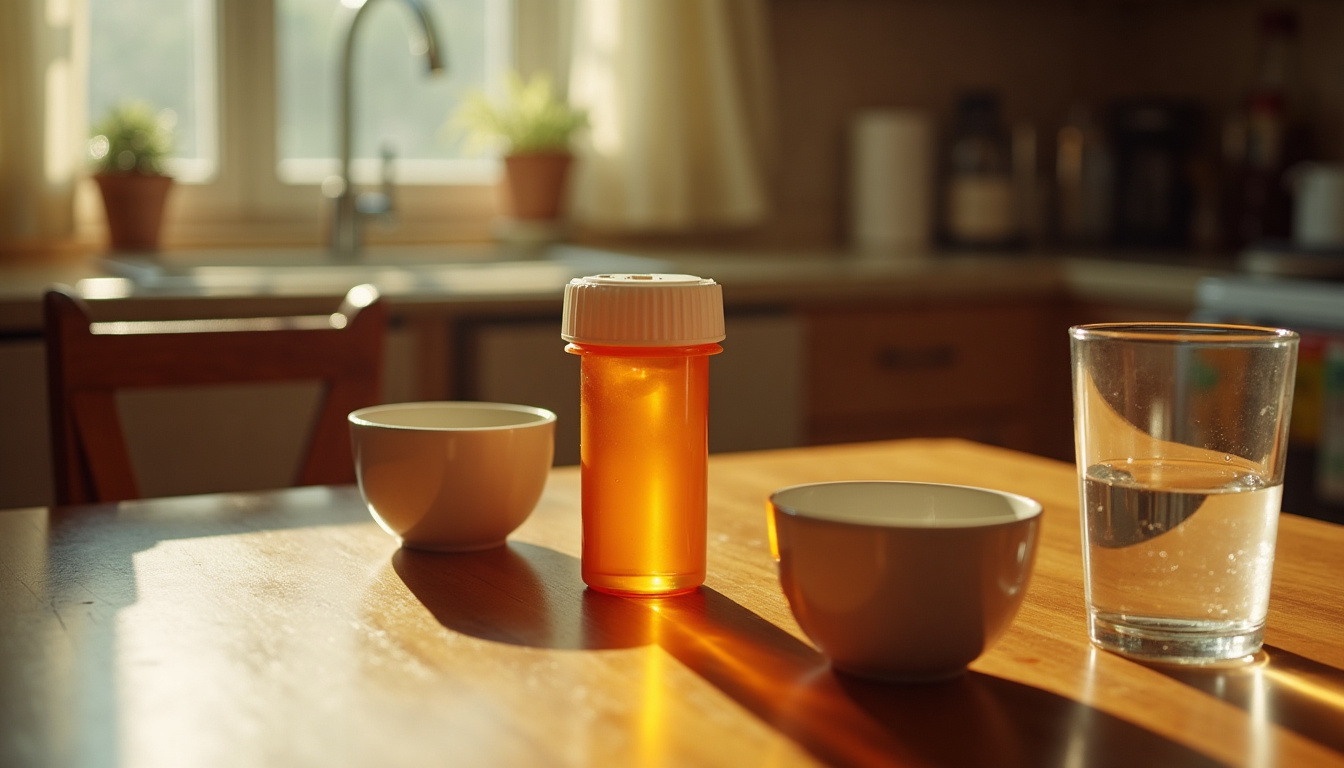
Adult taking a once-daily Atorvastatin tablet with a glass of water at a sunlit kitchen counter
The 20–30 Hour Half-Life Secret: Unlike older short-acting statins (simvastatin or lovastatin) that must be taken at bedtime, Atorvastatin has a 14-hour parent half-life and active metabolites that block liver cholesterol synthesis for 20 to 30 hours—meaning you can take it with breakfast or dinner, whichever you remember best.
Before You Dive In • Clinical Overview

Atorvastatin (Lipitor) in 60 Seconds

FDA & RCT Verified

Morning or evening works equally well (20–30h activity)

Because active ortho- and para-hydroxylated metabolites keep HMG-CoA reductase inhibited for 20 to 30 hours, FDA DailyMed confirms Atorvastatin can be taken once daily at any time of day, with or without food [1].

10 mg captures ~70% of the total LDL-lowering power

Starting at 10 mg/day drops LDL-C by ~37%–39% (cutting heart attacks by 36% in ASCOT-LLA and 37% in CARDS), while each doubling of the dose (20 -> 40 -> 80 mg) adds another ~6% LDL-C drop ("The Rule of 6") [1][2][3][4].

90% of muscle aches on statins are the "Nocebo" effect

In the NEJM SAMSON and BMJ StatinWISE double-blind crossover trials, patients who previously quit statins over muscle aches reported the exact same pain score on sugar pills (15.4) as on Atorvastatin 20 mg (16.3)—a 90% nocebo ratio [9][10].

Low-dose statin + Ezetimibe beats a maxed-out 80 mg dose

If 40 mg or 80 mg causes true muscle stiffness, the 3,780-patient Lancet RACING trial proved pairing a moderate statin (10–20 mg) with Ezetimibe 10 mg lowers LDL-C even better while cutting intolerance discontinuations nearly in half (4.8% vs. 8.2%) [2][11].

Clinical Reality Check • FDA DailyMed & ACC/AHA Statin Intensity Tiers

Plain-English Atorvastatin Dose, LDL-C Drop & Pill Imprint Chart

RxCUI #83367 Standards
Daily Dose ACC/AHA Intensity Tier Expected LDL-C Drop Imprint & Cash Price What Landmark Clinical Trials & Guidelines Show
Atorvastatin 10 mg Daily Moderate-Intensity Statin -37% to -39% LDL-C Imprint: PD 155 • $4–$6/mo Standard primary-prevention starting dose; cut heart attacks by 36% in ASCOT-LLA (hypertension) and major CV events by 37% in CARDS (Type 2 diabetes) with placebo-like tolerability [1][2][3][4].
Atorvastatin 20 mg Daily Moderate-Intensity Statin -43% to -45% LDL-C Imprint: PD 156 • $4–$7/mo Upper moderate-intensity dose achieving nearly half of maximal LDL-C reduction; showed zero excess muscle pain vs. placebo in the double-blind SAMSON and StatinWISE n-of-1 trials [1][2][9][10].
Atorvastatin 40 mg Daily High-Intensity Statin -48% to -50% LDL-C Imprint: PD 157 • $5–$8/mo Entry high-intensity dose recommended by ACC/AHA guidelines for adults with severe hypercholesterolemia (baseline LDL-C >=190 mg/dL), high-risk diabetes, or atherosclerotic plaque [1][2].
Atorvastatin 80 mg Daily High-Intensity Statin (Max) -52% to -55% LDL-C Imprint: PD 158 • $6–$9/mo Secondary-prevention gold standard after heart attack (PROVE IT-TIMI 22: -16% events), stable CAD (TNT: -22% events), or ischemic stroke/TIA (SPARCL: -16% recurrent stroke) [1][5][6][7].
Atorvastatin 10–20 mg + Ezetimibe 10 mg Dual-Pathway Combo Strategy -55% to -60% LDL-C Two $5 Generics • $8–$12/mo Blocks both liver synthesis (HMG-CoA) and gut absorption (NPC1L1); in the Lancet RACING trial, hit LDL-C <70 mg/dL in 72% vs. 58% of patients and cut side-effect discontinuations in half [2][11].
Feeling Muscle Soreness on Atorvastatin? (Routine Adjustment vs. Emergency Triage)

1. Mild symmetric thigh/calf stiffness? Not an emergency—message your prescriber during clinic hours about checking TSH/Vitamin D/CK, testing a 2-week pause, or stepping down to 10 mg + Ezetimibe. 2. Severe weakness + dark brown/cola urine? If you cannot climb stairs or rise from a chair AND your urine turns dark brown or tea-colored (Rhabdomyolysis), stop the pill and seek emergency care immediately.

Full Red-Flag Rules ↓
FDA Orange Book & Cardiology Comparison • Generics, Crestor & Zetia Combo

Generic Lipitor, Rosuvastatin (Crestor) & the Ezetimibe (Zetia) Upgrade

High Blood Pressure Flagship Guide →
10–80 MG TABLETS t½: ~14h (20–30h active)
Generic Atorvastatin Calcium vs. Brand-Name Lipitor (Sortis / Atorva / Tonact)
White elliptical film-coated tablets • RxCUI #83367 • No renal (eGFR) dose adjustment required
Typical Cash: $4 – $9 / month (Generic)
10–80 MG TABLETS Typical Cash: $4 – $9 / month (Generic)

Generic Atorvastatin Calcium vs. Brand-Name Lipitor (Sortis / Atorva / Tonact)

How it works: Competitively inhibits hepatic HMG-CoA reductase, the rate-limiting enzyme in cholesterol synthesis, which triggers liver cells to upregulate surface LDL receptors and pull atherogenic ApoB / LDL particles out of your bloodstream [1][2][8].

Real-world pharmacist tip: FDA Orange Book rules require generic Atorvastatin tablets to match brand-name Lipitor within a strict 80%–125% bioequivalence window; paying $350+/month for brand Lipitor buys zero extra heart protection over a $5 Cost Plus or pharmacy discount generic [1][2].

CRESTOR COMPARISON t½: ~19h (Rosuvastatin)
Atorvastatin (Lipitor) vs. Rosuvastatin (Crestor): Which Statin Is Better?
Comparing hepatoselectivity, kidney clearance, and muscle tolerability
Typical Cash: $4 – $9 / month (Both Generic)
CRESTOR COMPARISON Typical Cash: $4 – $9 / month (Both Generic)

Atorvastatin (Lipitor) vs. Rosuvastatin (Crestor): Which Statin Is Better?

How it works: Rosuvastatin (Crestor, 5–40 mg) is hydrophilic (water-soluble) and slightly more potent milligram-for-milligram, whereas Atorvastatin (10–80 mg) is lipophilic and 100% cleared by the liver with zero renal dose cap even in Stage 4–5 chronic kidney disease [1][2].

Real-world pharmacist tip: If you experience mild muscle heaviness on high-dose Atorvastatin (40–80 mg), switching to low-dose Rosuvastatin (5–10 mg) or even Rosuvastatin 5 mg twice weekly often resolves muscle symptoms completely while keeping LDL-C under target [2][9][11].

EZETIMIBE ADD-ON +18% to +24% LDL drop
Adding Ezetimibe (Zetia) 10 mg Instead of Doubling Atorvastatin to 80 mg
Why the Lancet RACING trial changed modern cholesterol prescribing
Typical Cash: $5 – $10 / month (Generic)
EZETIMIBE ADD-ON Typical Cash: $5 – $10 / month (Generic)

Adding Ezetimibe (Zetia) 10 mg Instead of Doubling Atorvastatin to 80 mg

How it works: Doubling Atorvastatin from 20 mg to 80 mg only yields an extra ~10%–12% LDL-C drop ("The Rule of 6") while increasing muscle and liver enzyme sensitivity; adding Ezetimibe 10 mg blocks intestinal cholesterol absorption for an extra 18%–24% LDL-C drop [1][2][11].

Real-world pharmacist tip: Ask your cardiologist: "Instead of pushing my Atorvastatin from 20 mg to 80 mg, can we pair Atorvastatin 10 or 20 mg with Ezetimibe 10 mg?" In the 3,780-patient RACING trial, that combo hit LDL-C <70 mg/dL more often with 41% fewer intolerances [11].

Interactive 24-Hour Pill, Supplement & Coffee Clock • FDA DailyMed Spacing + CMS NADAC Cash Price Check

“Can I Take These Together?” Build Your Conflict-Free Daily Schedule

Toggle your prescriptions and supplements below to see stomach mineral absorption blocks, CYP450 conflicts, and your exact 24-hour clock:

1. Select Your Daily Prescriptions & Supplements (Click to Toggle):
⚠ Active Chelation & Co-Factor Audit (FDA DailyMed + NIH RxNorm)
6 Active Items Scheduled Across 4 Conflict-Free Windows
  • 4-Hour Chelation Block (Levothyroxine + Magnesium / Iron): Magnesium and Iron bind to Levothyroxine in the stomach, cutting thyroid absorption by 30%–45%. We automatically moved Iron to 10:30 AM and Magnesium to 9:30 PM.
  • 60-Minute Coffee & Espresso Rule: Brewed coffee sequesters oral T4 tablets inside the intestinal lumen. Wait 45–60 minutes after 6:30 AM Levothyroxine before drinking coffee (or ask about Tirosint gelcaps).
  • Metformin ER + Vitamin B12 Depletion: Long-term Metformin impairs calcium-dependent ileal B12 uptake. Take Metformin ER mid-dinner (6:30 PM) and verify Serum B12 + MMA annually.
  • Atorvastatin / Rosuvastatin + CoQ10 Synergy: Statins inhibit mevalonate synthesis, lowering endogenous CoQ10. Pairing 100–200 mg Ubiquinol with lunch/dinner supports muscle ATP.
6:30 AM • Fasting Water Only
Levothyroxine (Synthroid / Euthyrox)

Take 30–60 min before coffee/breakfast; keep 4 hours away from Iron, Calcium & Magnesium.

Iron Bisglycinate (25–28 mg Elemental)

Alternate-day morning dosing with 200 mg Vitamin C avoids the 24h hepcidin block and protects Levothyroxine.

12:30 PM • Lunch With 15g Fat
Vitamin D3 (2,000–5,000 IU) + MK-7 + CoQ10

Fat-soluble D3, K2 (MK-7), Omega-3 rTG, and CoQ10 Ubiquinol absorb 32%–50% better with dietary fat.

6:30 PM • Mid-Dinner GI Buffer
Metformin ER (500–1,000 mg)

Taking Extended-Release (ER) mid-dinner cuts GI nausea/diarrhea by >60%. Check Vitamin B12 + MMA yearly.

Atorvastatin (20 mg) or Rosuvastatin (10 mg)

Pairs cleanly with dinner alongside CoQ10 Ubiquinol (100–200 mg) to support muscle mitochondrial ATP.

9:30 PM • Bedtime 60m Pre-Sleep
Magnesium Bisglycinate (200–300 mg Elemental)

Safely separated 15 hours from morning Levothyroxine; glycine + Mg2+ support GABAergic deep sleep.

Verified 30-Day Generic Cash Price Check (Cost Plus & CMS NADAC Benchmark)

Never pay a $45–$68 retail pharmacy walk-in markup for pennies-per-pill generics:

Complete Plain-English Medication Guide • Ranked #1 to #20

The 20 Questions People Ask Most About Atorvastatin (Lipitor)—Answered in Plain English

Every question below begins with a 2-sentence Short Answer so you can get the bottom line immediately, followed by the full kitchen-table explanation with numbered FDA DailyMed, ACC/AHA, and PubMed citations ([1]–[12]) and a practical habit you can try today.

1
1. How Atorvastatin Works

What is Atorvastatin (Lipitor) and how does it actually lower cholesterol and prevent heart attacks?

The Short Answer

Atorvastatin calcium (brand name Lipitor, RxCUI #83367) is a first-line HMG-CoA reductase inhibitor ("statin") that slows cholesterol production inside your liver, prompting liver cells to grow more surface LDL receptors that vacuum atherogenic LDL-C and ApoB particles out of your bloodstream [1][2]. Beyond lowering LDL cholesterol by 37% to 55%, clinical trials prove it stabilizes vulnerable arterial plaque caps and reduces vascular inflammation (hs-CRP), cutting heart attacks and strokes by 22% to 37% [1][3][4][8].

About 75% to 80% of the cholesterol circulating in your blood does not come from the eggs or steak you ate for dinner—it is manufactured overnight inside your own liver by an enzyme called HMG-CoA reductase [1][2]. When you swallow an Atorvastatin tablet, it selectively blocks that liver enzyme. Sensing less internal cholesterol, your liver cells respond by deploying thousands of extra LDL receptors onto their outer surface, acting like molecular magnets that pull LDL ("bad") cholesterol and Apolipoprotein B (ApoB) particles out of your arteries so they can be excreted in bile [1][2].

Just as importantly, Atorvastatin does more than move a lab number. In intracoronary imaging and landmark outcome trials like ASCOT-LLA (N = 10,305) and PROVE IT-TIMI 22 (N = 4,162), Atorvastatin thickens the fibrous cap over soft, rupture-prone coronary plaques and lowers high-sensitivity C-reactive protein (hs-CRP)—preventing plaques from cracking open and causing a sudden clot [3][5][8].

Try This Today

When looking at your lipid panel 4 to 12 weeks after starting Atorvastatin, look at two numbers together: your LDL-C drop (typically 37% to 55%) and your non-HDL cholesterol or ApoB—those tell you how many plaque-forming particles were cleared from your blood [1][2].

2
2. 10/20/40/80 mg & Rule of 6

How much does 10 mg, 20 mg, 40 mg, or 80 mg of Atorvastatin lower LDL—and what is pharmacology’s "Rule of 6"?

The Short Answer

Atorvastatin 10 mg lowers LDL cholesterol by ~37%–39%, 20 mg lowers it by ~43%, 40 mg lowers it by ~48%–50%, and 80 mg lowers it by ~52%–55% [1][2]. Because statin dose-response curves flatten out, the lowest 10 mg tablet delivers roughly 70% of the drug’s entire cholesterol-lowering power, while each doubling of the dose (10 -> 20 -> 40 -> 80 mg) adds only about 6% more LDL reduction ("The Rule of 6") [1][2].

Many patients assume that an 80 mg tablet of Atorvastatin is eight times stronger than a 10 mg tablet. In human pharmacology, it does not work that way. According to the FDA DailyMed package insert and ACC/AHA guidelines, a tiny 10 mg tablet already knocks LDL cholesterol down by nearly 40% [1][2]. From that baseline, every time you double the milligram dose—from 10 mg to 20 mg, 20 mg to 40 mg, or 40 mg to 80 mg—you gain an additional ~6% reduction in LDL-C [1][2].

That is why ACC/AHA guidelines divide Atorvastatin into two clinical tiers: Moderate-Intensity (10 mg or 20 mg daily, targeting a 30%–49% LDL-C drop for primary prevention) and High-Intensity (40 mg or 80 mg daily, targeting a >=50% LDL-C drop for patients with existing heart disease, prior stroke, baseline LDL-C >=190 mg/dL, or high-risk diabetes) [2][5][6][7].

Try This Today

If you are nervous about starting a statin, ask your doctor if starting at 10 mg (or even 10 mg every other day for sensitive patients) makes sense first—you still capture the vast majority of the LDL-lowering benefit with minimal side-effect risk [1][2][3].

3
3. Morning vs. Bedtime Dosing

Do I have to take Atorvastatin at bedtime, or can I take it in the morning with breakfast?

The Short Answer

You can take Atorvastatin at any time of day—morning or bedtime, with or without food [1]. While older short-acting statins like simvastatin (half-life ~2–3 hours) must be taken at night when liver cholesterol synthesis peaks, Atorvastatin has a ~14-hour parent half-life and active metabolites that block cholesterol synthesis for 20 to 30 hours straight [1].

A common pharmacy holdover from the 1990s is telling every statin patient to take their pill at bedtime. That rule was written for first-generation statins like lovastatin, fluvastatin, and simvastatin, which clear from the blood in just 2 to 4 hours and therefore had to be timed with the liver’s midnight-to-3:00 A.M. cholesterol production surge [1].

Atorvastatin is pharmacokinetically different. Once absorbed, the parent molecule has a mean plasma elimination half-life of ~14 hours, and your liver converts it into active ortho- and para-hydroxylated metabolites that keep HMG-CoA reductase inhibited for 20 to 30 hours [1]. While taking Atorvastatin with food slightly slows the peak absorption rate (Cmax drops ~25%), the total amount absorbed (AUC) and the 30-day LDL cholesterol reduction are identical whether you take it fasting at 7:00 A.M. or after dinner at 8:00 P.M. [1].

Try This Today

Pair your Atorvastatin tablet with your most automatic daily habit—such as your morning coffee or brushing your teeth—because taking it consistently 7 days a week matters far more than the hour on the clock [1].

4
4. Muscle Aches & The 90% Nocebo Trial

How common are real statin muscle aches—and what did the NEJM SAMSON and BMJ StatinWISE trials prove?

The Short Answer

In double-blind randomized trials (CTT Collaboration, N = 170,000), true statin-caused muscle pain occurs in only ~1% more patients than placebo during the first year, and severe muscle breakdown (rhabdomyolysis) occurs in fewer than 1 in 10,000 patients [8]. In the landmark NEJM SAMSON n-of-1 trial of patients who had quit statins over side effects, 90% of the symptom burden experienced on Atorvastatin 20 mg was identically triggered when taking an unmarked placebo sugar pill [9][10].

Muscle aches (myalgias) are the #1 reason people stop taking Atorvastatin. Yet for years, cardiologists noticed a puzzle: in blinded clinical trials where neither patient nor doctor knew who got the real pill, muscle pain rates were almost identical between Atorvastatin and placebo (~1% difference), whereas in routine clinic visits up to 20% of patients blamed their statin for aches [8][9].

To solve this, researchers at Imperial College London ran the NEJM SAMSON trial, giving 60 patients who had previously abandoned statins due to severe side effects a 12-month box containing four bottles of Atorvastatin 20 mg, four bottles of identical placebo pills, and four empty bottles (no pills), in random monthly order [9]. Patients logged their symptom severity daily on a smartphone from 0 to 100. The result stunned the medical world: mean symptom scores were 8.0 during no-tablet months, 15.4 during placebo-pill months, and 16.3 during Atorvastatin months—a 0.90 nocebo ratio proving that 90% of the symptoms were caused by the expectation of taking a pill, plus everyday middle-aged aches [9]. After seeing their own personalized chart, 50% of those "statin-intolerant" patients happily resumed their statin [9]. The 200-patient BMJ StatinWISE trial confirmed the exact same finding (zero overall difference between Atorvastatin 20 mg and placebo) [10].

Try This Today

How do you tell a real statin muscle ache from a gym soreness or everyday joint pain? True statin myalgia is almost always symmetric (affecting both thighs, both calves, or both shoulders equally, never just one knee or one shoulder) and typically starts within 4 to 6 weeks of starting or raising a dose [1][2][9].

5
5. Fixing Muscle Pain & CoQ10 Truth

If I do get real symmetric muscle stiffness on Atorvastatin, what works—and does CoQ10 actually help?

The Short Answer

If you develop symmetric thigh or calf heaviness on Atorvastatin, the ACC/AHA guideline protocol is a 2-to-4 week supervised "washout" pause to confirm the ache disappears, followed by restarting a lower dose (10 mg), switching to hydrophilic Rosuvastatin (5–10 mg, even 2–3 times weekly), or pairing a low dose with Ezetimibe 10 mg [2][11]. While statins lower blood Coenzyme Q10 (CoQ10) levels, randomized trials of CoQ10 supplements (100–200 mg/day) show mixed results, though a 30-day trial is harmless [2].

Never tough out symmetric, bilateral muscle weakness—and never throw your bottle in the trash without a plan. Over 90% of patients who experience real dose-dependent muscle stiffness on Atorvastatin 40 mg or 80 mg can comfortably tolerate a modified regimen [2]. First, ask your prescriber to check a baseline Creatine Kinase (CK / CPK) blood test, Thyroid-Stimulating Hormone (TSH—because untreated hypothyroidism strongly mimics and triggers statin myalgia), and 25-hydroxy Vitamin D [1][2].

Second, after a 2-week pause lets your muscles reset, stepping down to Atorvastatin 10 mg (or switching to Rosuvastatin 5 mg taken every Monday, Wednesday, and Friday) plus Ezetimibe 10 mg daily lowers LDL cholesterol by 45% to 55% while keeping muscle tissue exposure to a fraction of an 80 mg dose [2][11]. As for CoQ10 (ubiquinol 100–200 mg/day): because HMG-CoA reductase also synthesizes ubiquinone, blood CoQ10 levels drop on statins (mainly because CoQ10 rides inside LDL particles). Meta-analyses of placebo-controlled CoQ10 trials are split, so guidelines do not routinely mandate it, but it is completely safe if you find it helps [2].

Try This Today

Before blaming Atorvastatin for new muscle cramps, ask your doctor to include a TSH (thyroid) and Vitamin D level on your blood draw—correcting a sluggish thyroid or low Vitamin D (<20 ng/mL) frequently eliminates the muscle ache altogether [2].

6
6. The Real Grapefruit Juice Rule

Can I ever eat grapefruit or drink grapefruit juice while taking Atorvastatin?

The Short Answer

You do not have to panic over an occasional half-grapefruit or small glass, but the official FDA DailyMed label warns against drinking more than 1.2 liters (~4 to 5 cups) of grapefruit juice per day [1]. Grapefruit contains furanocoumarins that inhibit intestinal CYP3A4 enzymes; in small amounts with 10–20 mg doses this effect is modest (~20%–30% AUC rise), whereas heavy daily grapefruit juice consumption with 40–80 mg doses can double blood statin levels [1].

Why do pharmacy bottles plaster a scary grapefruit sticker on Atorvastatin? Your small intestine lines its wall with an enzyme called Cytochrome P450 3A4 (CYP3A4), which normally breaks down a portion of Atorvastatin before it reaches your bloodstream [1]. Grapefruit (along with Seville bitter oranges, pomelos, and tangelos) contains natural compounds called furanocoumarins that temporarily deactivate intestinal CYP3A4.

However, Atorvastatin is far less sensitive to grapefruit than simvastatin or lovastatin (where a single glass of grapefruit juice can spike drug levels by 300% to 1,500%). According to the FDA DailyMed label for Lipitor, serious accumulation occurs primarily when drinking large quantities (>1.2 liters per day) [1]. If you are taking Atorvastatin 10 mg or 20 mg, eating half a fresh grapefruit once or twice a week is generally considered low risk by clinical pharmacists; if you are on high-intensity 40 mg or 80 mg daily—or if you love drinking grapefruit juice every morning—switching to Rosuvastatin or Pravastatin (which do not use CYP3A4) eliminates the grapefruit interaction completely [1][2].

Try This Today

Regular sweet oranges (Navel, Valencia, Cara Cara, tangerines, clementines, and lemons) contain zero furanocoumarins and are 100% safe to enjoy at any dose of Atorvastatin [1].

7
7. Blood Sugar & A1C (+0.1% Shift)

Does Atorvastatin raise blood sugar or cause Type 2 diabetes—and is the heart benefit still worth it?

The Short Answer

Yes, high-intensity statins can nudge fasting blood glucose up by ~2 to 5 mg/dL and HbA1c up by ~0.1% to 0.15%, which in the 91,140-patient Lancet meta-analysis translated to a 9% relative increase in new diabetes diagnoses (mostly in people who already had borderline prediabetes at HbA1c 6.2%–6.4%) [2][12]. For every 255 patients treated for 4 years, statins result in 1 extra case of crossing the diabetes threshold while preventing 5.4 major heart attacks or coronary deaths [12].

Patients are often shocked when they read online that statins can "cause diabetes." Here is the transparent clinical math from Sattar et al.’s collaborative meta-analysis of 13 randomized trials (91,140 participants) in The Lancet [12]. Statins do not take a person with a normal fasting blood sugar of 85 mg/dL (HbA1c 5.1%) and suddenly give them diabetes. Instead, statins slightly decrease pancreatic beta-cell calcium signaling and peripheral GLUT4 insulin sensitivity, nudging average HbA1c upward by roughly 0.1 percentage points [2][12].

If your HbA1c was already sitting at 6.4% (one-tenth of a point below the 6.5% Type 2 diabetes cutoff), a 0.1% nudge pushes you across the diagnostic line a few months earlier than you would have crossed it anyway [2][12]. Even more importantly, in the CARDS trial of patients who already had Type 2 diabetes, Atorvastatin 10 mg cut major cardiovascular events by 37% and stroke by 48%—which is why the American Diabetes Association (ADA) and ACC/AHA recommend statins for nearly all adults aged 40–75 with diabetes [2][4][12].

Try This Today

If you have prediabetes (HbA1c 5.7%–6.4%) and start Atorvastatin, pairing your pill with a 15-minute walk after dinner more than cancels out the 0.1% statin A1C nudge while keeping 100% of the artery protection [2][12].

8
8. Brain Fog & Dementia Science

Does Atorvastatin cause memory loss, brain fog, or Alzheimer’s dementia?

The Short Answer

Large-scale randomized controlled trials and ACC/AHA guideline reviews involving hundreds of thousands of patients have found zero increase in cognitive decline, memory loss, or Alzheimer’s disease from Atorvastatin [1][2][8]. In fact, by preventing silent microvascular strokes and carotid plaque, Atorvastatin 80 mg cut recurrent stroke by 16% in the SPARCL trial and protects long-term vascular brain health [2][7].

In 2012, the FDA added a precautionary note to all statin labels stating that rare post-marketing reports described reversible, non-serious "fuzzy thinking" or memory complaints that resolved within weeks of stopping the drug [1]. Because people worry deeply about Alzheimer’s disease, that label note sparked widespread fear that lowering blood cholesterol "starves the brain of cholesterol."

Human neurobiology proves why that fear is unfounded: your brain manufactures 100% of its own cholesterol locally inside astrocytes and oligodendrocytes, isolated behind the blood-brain barrier, and does not rely on circulating LDL particles from your liver [2]. Across systematic reviews of randomized cognitive substudies (including PROSPER, Heart Protection Study, and ACC/AHA analyses), patients taking statins scored identically on memory, executive function, and reaction-time tests as patients taking placebo—while experiencing fewer vascular dementia events thanks to lower stroke rates [2][7][8].

Try This Today

If you ever feel subjectively "foggy" in the first month of high-dose Atorvastatin 40–80 mg, talk with your doctor about testing a brief 2-week pause or switching to hydrophilic Rosuvastatin or Pravastatin, which have minimal blood-brain barrier penetration [1][2].

9
9. Liver Enzymes (ALT/AST) Rules

Is Atorvastatin hard on your liver—and why did the FDA stop requiring routine 6-month liver blood tests?

The Short Answer

Serious liver injury from statins is extraordinarily rare (~1 in 100,000 patient-years), which is why the FDA updated all statin labels in 2012 to require a liver enzyme (ALT/AST) test only once at baseline before starting therapy, and thereafter only if clinical symptoms arise [1][2]. Mild, asymptomatic ALT elevations (<3x the upper limit of normal) occur in 0.7% of patients and usually normalize on their own without stopping the pill ("transaminitis adaptation") [1][2].

When statins first launched, doctors ordered liver panels every 3 to 6 months out of caution. After decades of tracking millions of patients, the FDA and National Lipid Association concluded that routine periodic liver testing did not predict or prevent rare idiosyncratic liver injury—it only caught harmless, temporary 10-to-20 point bumps in ALT (alanine aminotransferase) that caused doctors to needlessly take high-risk patients off life-saving therapy [1][2].

What about fatty liver disease (MASLD / NAFLD), which affects over 30% of adults with high cholesterol or metabolic syndrome? Hepatology guidelines explicitly confirm that Atorvastatin is safe and beneficial in patients with compensated fatty liver disease and mild baseline ALT elevations, frequently improving liver ultrasound and enzyme profiles as hepatic lipid overload drops [2]. The only liver contraindications are active acute liver failure or decompensated cirrhosis [1].

Try This Today

Only contact your doctor for an unscheduled liver panel if you develop true clinical symptoms of hepatic issues: unusual dark-tea colored urine, yellowing of the whites of your eyes (jaundice), or persistent upper-right abdominal pain with unexplained fatigue [1].

10
10. ApoB & Lipoprotein(a) Rules

What happens to my ApoB and Lipoprotein(a) [Lp(a)] when I take Atorvastatin?

The Short Answer

Atorvastatin powerfully lowers Apolipoprotein B (ApoB—the exact count of all plaque-causing arterial particles) by 30% to 50%, which is the primary driver of plaque regression [2][8]. However, statins do not lower genetically determined Lipoprotein(a) [Lp(a)]—and can even nudge Lp(a) levels up by 10% to 15%—which is why patients with high Lp(a) (>50 mg/dL or >125 nmol/L) use Atorvastatin to crush their overall ApoB/LDL risk as low as possible (<55–70 mg/dL) [2].

Standard cholesterol panels estimate LDL-C (the total weight of cholesterol carried inside LDL particles), but cardiologists increasingly track Apolipoprotein B (ApoB) because every single atherogenic particle—whether LDL, VLDL, or IDL—carries exactly one ApoB molecule on its surface [2]. If you have insulin resistance, high triglycerides (>150 mg/dL), or belly fat, you can have a "normal-looking" LDL-C of 105 mg/dL while hiding a sky-high number of small, dense ApoB particles. Atorvastatin clears those ApoB particles directly via hepatic LDL receptors [1][2].

Lipoprotein(a), or Lp(a), is a separate inherited particle controlled ~90% by your LPA gene. Because Lp(a) particles do not clear efficiently through standard LDL receptors, Atorvastatin does not lower Lp(a). Why do cardiologists prescribe Atorvastatin to high-Lp(a) patients anyway? Because until targeted Lp(a)-lowering RNA therapies complete outcome trials, crushing your regular LDL-C and ApoB below 55–70 mg/dL removes the other major fuel source for arterial plaque, neutralizing over half of the excess cardiovascular risk [2][8].

Try This Today

Ask your doctor to add a one-time Lipoprotein(a) test and an ApoB test ($15–$25 at Quest/LabCorp) to your next lipid panel—if your ApoB gets below 80 mg/dL (primary prevention) or below 60 mg/dL (high risk), your Atorvastatin dose is doing its job [2].

11
11. Atorvastatin vs. Rosuvastatin

Atorvastatin (Lipitor) vs. Rosuvastatin (Crestor): Which statin is better and what is the difference?

The Short Answer

Both Atorvastatin and Rosuvastatin are top-tier high-intensity statins that cost $4–$9/month as generics and prevent heart attacks equally well when matched for LDL-C reduction [2][8]. Rosuvastatin (5–40 mg) is hydrophilic (water-soluble) and slightly stronger per milligram (~5% greater LDL drop at top doses), while Atorvastatin (10–80 mg) is lipophilic and 100% cleared by the liver—making Atorvastatin the preferred choice in chronic kidney disease (no eGFR dose cap) [1][2].

Today, cardiologists choose almost exclusively between Atorvastatin and Rosuvastatin because both out-perform older statins (simvastatin, pravastatin, lovastatin) and both have long half-lives allowing any-time-of-day dosing [1][2]. Milligram for milligram, Rosuvastatin is roughly twice as potent: Rosuvastatin 10 mg equals Atorvastatin 20 mg (~45% LDL drop), and Rosuvastatin 20 mg equals Atorvastatin 40–80 mg (~52%–55% LDL drop) [2].

When is Atorvastatin the winner? In patients with reduced kidney function (eGFR <30–45 mL/min/1.73m2) or proteinuria, because Rosuvastatin is 10% cleared by the kidneys, requires a strict 10 mg/day cap in severe CKD, and can cause benign tubular proteinuria at high 40 mg doses—whereas Atorvastatin has zero renal excretion (<2%) and protects kidney function at any dose [1][2]. When is Rosuvastatin the winner? If you take multiple CYP3A4-metabolized medications (or drink grapefruit juice daily), or if you had mild muscle heaviness on lipophilic Atorvastatin [1][2].

Try This Today

Never compare milligram numbers across the two bottles: switching from Atorvastatin 40 mg to Rosuvastatin 20 mg keeps your LDL-lowering power identical, even though the milligram number on the label was cut in half [2].

12
12. Adding Ezetimibe (Zetia) Combo

Why are cardiologists pairing low-dose Atorvastatin (10–20 mg) with Ezetimibe (Zetia) 10 mg instead of pushing to 80 mg?

The Short Answer

Because doubling Atorvastatin from 20 mg to 80 mg only yields ~10%–12% extra LDL reduction while increasing muscle side-effect sensitivity, whereas adding generic Ezetimibe 10 mg blocks intestinal cholesterol absorption for an extra 18%–24% LDL drop [2][11]. In the 3,780-patient Lancet RACING trial, moderate-intensity statin + Ezetimibe matched high-intensity statin monotherapy on 3-year heart outcomes (9.1% vs. 9.9%), hit LDL-C <70 mg/dL in 72% vs. 58% of patients, and cut intolerance discontinuations nearly in half (4.8% vs. 8.2%) [11].

When you block cholesterol synthesis in the liver with high-dose Atorvastatin, your body tries to compensate by absorbing more cholesterol through the Niemann-Pick C1-Like 1 (NPC1L1) transporter in your small intestine [2][11]. Pushing Atorvastatin from 20 mg all the way to 80 mg fights against that intestinal rebound, giving you diminishing returns ("The Rule of 6") at the cost of higher muscle drug exposure [1][2].

Adding Ezetimibe 10 mg (generic Zetia, ~$5–$10/month, virtually zero muscle side effects) slams that intestinal NPC1L1 door shut [2][11]. Together, Atorvastatin 10–20 mg + Ezetimibe 10 mg achieves a 55% to 60% reduction in LDL-C—matching or beating Atorvastatin 80 mg monotherapy while keeping your statin dose in the gentle, ultra-tolerable moderate zone [11].

Try This Today

If your LDL-C is still above your target (e.g., >70 mg/dL) on Atorvastatin 20 mg, ask your doctor: "Can we add Ezetimibe 10 mg rather than doubling my statin?" It is one of the smartest, best-tolerated upgrades in preventive cardiology [2][11].

13
13. Alcohol, Coffee & Diet Rules

Can I drink alcohol or coffee while taking Atorvastatin—and do I still need to watch saturated fat?

The Short Answer

Moderate coffee and light-to-moderate alcohol consumption (up to 1 drink/day for women or 1–2 for men) do not interact with Atorvastatin in people with normal liver function, though heavy binge drinking (>3 drinks/day) should be avoided because both alcohol and statins are processed by the liver [1][2]. Diet still matters: swapping butter and fatty red meat for olive oil, nuts, oats, and soluble fiber lowers LDL-C an additional 10%–15% and keeps triglycerides and blood sugar down [2].

Coffee (filtered drip or espresso) does not interfere with Atorvastatin absorption or liver metabolism at all [1]. Note one quirky nutrition detail: unfiltered boiled coffee (such as French press, Turkish coffee, or heavy espresso crema) contains natural diterpenes (cafestol and kahweol) that can raise LDL cholesterol by 10 to 15 mg/dL on their own—switching to paper-filtered coffee traps those diterpenes immediately.

With alcohol, an occasional glass of wine or beer with dinner does not alter Atorvastatin pharmacokinetics or trigger muscle damage [1]. However, chronic heavy alcohol intake stresses hepatocytes and raises baseline ALT/AST liver enzymes, which FDA DailyMed lists as a warning factor [1]. Similarly, taking a statin is never a free pass for ultra-processed foods: while Atorvastatin slashes LDL-C, only nutrition and movement protect against visceral fat, high triglycerides, and insulin resistance [2].

Try This Today

Adding 5 to 10 grams of viscous soluble fiber a day (a bowl of steel-cut oats, psyllium husk, chia seeds, or black beans) binds bile acids in your gut—acting like a natural mini-ezetimibe alongside your Atorvastatin [2].

14
14. Key Drug Interactions (Paxlovid & Meds)

Which prescription drugs interact with Atorvastatin—especially Paxlovid, antibiotics, antifungals, and blood pressure pills?

The Short Answer

Because Atorvastatin is metabolized by liver CYP3A4 and OATP1B1 transporters, you must temporarily pause or dose-limit Atorvastatin when taking strong CYP3A4 inhibitors like Paxlovid (nirmatrelvir/ritonavir), clarithromycin/erythromycin antibiotics, itraconazole/ketoconazole antifungals, or cyclosporine [1]. Always avoid pairing statins with gemfibrozil (use fenofibrate instead if needed for high triglycerides) [1][2].

Most everyday medications—including lisinopril, losartan, hydrochlorothiazide,chlorthalidone, metformin, levothyroxine, and GLP-1s—have zero problematic interaction with Atorvastatin [1]. Even amlodipine (which is a weak CYP3A4 substrate) is safely co-formulated with Atorvastatin in a single FDA-approved pill (Caduet) [1].

The interactions that matter are short-term acute prescriptions that block CYP3A4 or hepatic uptake transporters [1]: (1) COVID-19 Paxlovid (ritonavir): FDA guidance recommends holding Atorvastatin during the 5-day Paxlovid course plus 3 days after—pausing a statin for 8 days is completely safe and prevents a 4-fold spike in blood statin levels; (2) Macrolide antibiotics: clarithromycin and erythromycin inhibit CYP3A4 (limit Atorvastatin to <=20 mg or ask your doctor for azithromycin, which has zero CYP3A4 interaction); (3) Colchicine & Fibrates: never combine Atorvastatin with gemfibrozil due to rhabdomyolysis risk, and monitor for muscle aches if co-prescribed colchicine for gout or pericarditis [1][2].

Try This Today

Whenever an urgent-care clinic prescribes you an antibiotic, antifungal, or antiviral (like Paxlovid), tell them: "I take Atorvastatin—is it safe to pause my statin for the 5 to 7 days I am on this acute prescription?" Pharmacists love this question because a 1-week statin hold during an acute antibiotic course is 100% safe [1][2].

15
15. Pill Imprints & Generic vs. Lipitor

What does a real Atorvastatin or Lipitor pill look like—and is a $5 generic really identical to $350 brand-name Lipitor?

The Short Answer

Brand-name Lipitor and most FDA-approved generics are white, oval/elliptical film-coated tablets stamped with the milligram strength (`10`, `20`, `40`, or `80`) on one side and `PD 155` (10 mg), `PD 156` (20 mg), `PD 157` (40 mg), or `PD 158` (80 mg) on the other (or manufacturer codes like `ATV 10/20/40/80` or `I 04/05/06/07`) [1]. Generic Atorvastatin Calcium meets strict FDA Orange Book 80%–125% bioequivalence standards and produces the exact same LDL-C reduction as brand Lipitor for ~98% less cost [1][2].

When Pfizer’s patent on Lipitor expired in November 2011, it was the best-selling prescription drug in medical history. Today, generic Atorvastatin Calcium is manufactured under FDA Abbreviated New Drug Applications (ANDAs) that require the generic tablet to deliver the exact same active molecule (`UNII 48A5M73Z4Q`) into human blood at the same rate (Cmax) and total exposure (AUC) as original Lipitor [1].

Why does your tablet sometimes change from an oval white pill stamped `Y 16` to a round white pill stamped `93 7424` when you refill at CVS or Walgreens? Pharmacies switch generic suppliers (Teva, Viatris/Mylan, Apotex, Dr. Reddy’s, Lupin) based on wholesale contracts. All contain the exact same active Atorvastatin Calcium; only inactive binders and film-coating dyes vary slightly [1].

Try This Today

If your insurance plan charges a $25 to $45 "Tier 2" copay for a 90-day supply of Atorvastatin, ask the pharmacy tech for their cash discount price or check Mark Cuban Cost Plus Drugs / GoodRx—90 days of generic Atorvastatin typically costs $6 to $11 cash [1].

16
16. Pregnancy & Breastfeeding Rules

What are the FDA rules on taking Atorvastatin during pregnancy or breastfeeding?

The Short Answer

Stop Atorvastatin immediately if you become pregnant or are actively trying to conceive, and avoid it while breastfeeding [1]. Although the FDA removed its strict legacy "Category X" boxed contraindication in July 2021 after large registry studies showed no clear link to congenital birth defects, cholesterol synthesis is essential for fetal cell membranes and steroid hormones, and stopping a statin for 9 to 15 months of pregnancy and nursing does not raise short-term heart risk for nearly all women [1][2].

For decades, every statin carried a frightening "Pregnancy Category X" warning based on high-dose animal experiments. In July 2021, the FDA formally requested that manufacturers remove the broad pregnancy contraindication after reviewing large human observational cohorts showing no increased risk of birth defects when women inadvertently took a statin during the first trimester before realizing they were pregnant [1].

Even with that reassuring safety update, the FDA and ACC/AHA guidelines still advise stopping Atorvastatin 1 to 3 months before planned conception, throughout pregnancy, and during breastfeeding (because small amounts of lipophilic statin pass into breast milk) [1][2]. Atherosclerosis develops over 30 to 40 years; taking a 12-to-18 month pause to carry and nurse a baby does not meaningfully alter lifetime plaque burden, except in extremely rare women with homozygous familial hypercholesterolemia or recent myocardial infarction [1][2].

Try This Today

If you discover you are pregnant while taking Atorvastatin, stop the tablet that day and call your OB-GYN—do not panic about first-trimester exposure, as modern FDA registry data are strongly reassuring [1].

17
17. Kidney Function (eGFR) Advantage

Is Atorvastatin safe if I have chronic kidney disease (low eGFR)—and why do nephrologists prefer it?

The Short Answer

Yes—Atorvastatin is the #1 statin of choice in chronic kidney disease (CKD Stages 1 through 5) because less than 2% of an Atorvastatin dose is excreted through the kidneys [1][2]. Unlike rosuvastatin, simvastatin, or pravastatin (which require dose caps when eGFR falls below 30 mL/min/1.73m2), FDA DailyMed confirms Atorvastatin requires zero renal dose adjustment at any non-dialysis eGFR level [1][2].

Many patients confuse kidney rules for Metformin or blood pressure drugs with statins. In fact, chronic kidney disease (eGFR 15–59 mL/min/1.73m2 or urine albumin-to-creatinine ratio >=30 mg/g) is one of the strongest ACC/AHA "Risk-Enhancing Factors" for starting a statin, because people with CKD face a dramatically elevated risk of heart attack and stroke [2].

Because Atorvastatin and its metabolites are eliminated almost entirely via hepatic biliary excretion (<2% urinary recovery), plasma concentrations of Atorvastatin do not build up in patients with kidney disease [1]. In post-hoc renal analyses of the TNT and CARDS trials, Atorvastatin actually slowed the annual decline in eGFR and improved kidney microvascular blood flow [1][4][6].

Try This Today

If your eGFR is between 20 and 50 mL/min/1.73m2, Atorvastatin lets your doctor use the full effective dose (10 mg to 80 mg) without worrying about renal drug accumulation [1][2].

18
18. Calcium Score (CAC) Tie-Breaker

I am on the fence about starting Atorvastatin—how does a Coronary Artery Calcium (CAC) CT scan break the tie?

The Short Answer

If you have no history of heart disease or diabetes and your 10-year ASCVD risk sits in the "borderline to intermediate" gray zone (5% to 19.9%), the ACC/AHA guidelines recommend a 5-minute, non-contrast Coronary Artery Calcium (CAC) CT scan ($75–$150) as the ultimate tie-breaker [2]. If your CAC score is 0 (zero calcified plaque), you can safely defer starting Atorvastatin and recheck in 5 years; if your CAC is >=100 (or >=75th percentile for your age/sex), starting Atorvastatin is strongly indicated [2].

Millions of healthy 45-to-70-year-olds walk out of a routine physical with an LDL-C of 135–155 mg/dL and a computer-calculated 10-year heart risk of 8% or 11%. Population risk calculators rely heavily on chronological age, meaning they cannot tell whether your actual coronary arteries are pristine or already lined with calcified plaque [2].

That is why the 2018 ACC/AHA Cholesterol Guideline elevated the Coronary Artery Calcium (CAC) score to a Class IIa recommendation [2]: (1) CAC = 0 Agatston units: Your actual 10-year event risk is extremely low (<1%–1.5%); guidelines endorse holding off on a statin (unless you smoke, have diabetes, or have a strong premature family history); (2) CAC = 1 to 99: Favors starting moderate-intensity Atorvastatin (10–20 mg), especially if you are over age 55; (3) CAC >= 100 or >=75th percentile: Proves established coronary atherosclerosis—start Atorvastatin (often paired with Ezetimibe if needed) to stabilize existing plaque [2].

Try This Today

Important nuance once you start Atorvastatin: never panic if a repeat CAC scan 3 years later shows a slightly higher calcium number—statins heal soft, dangerous lipid-rich plaque by calcifying and hardening its outer shell, which intentionally raises calcium density while slashing rupture risk [2].

19
19. Missed Dose & Stopping Rules

What happens if I miss a dose of Atorvastatin—or if I stop taking it once my cholesterol looks normal?

The Short Answer

If you miss a single dose of Atorvastatin, simply take your next scheduled tablet the following day—never double up two tablets at once, because Atorvastatin’s 20-to-30 hour active metabolite window keeps your liver enzyme covered across a 1-day gap [1]. However, if you stop taking Atorvastatin permanently because your lab report now reads "LDL 68 mg/dL (Normal)," your liver’s HMG-CoA reductase enzyme resumes full production within 2 to 4 weeks and your LDL cholesterol rebounds right back to baseline [1][2].

A classic mistake happens at the 3-month follow-up blood draw: a patient sees their LDL cholesterol drop from 165 mg/dL down to 72 mg/dL, thinks "Great, my cholesterol is cured!", and stops refilling the bottle. Unlike an antibiotic that cures a 7-day bacterial infection, Atorvastatin works like eyeglasses—it corrects the reading for as long as you wear them [1][2].

Wait—is there any situation where stopping Atorvastatin suddenly is dangerous? If you are taking Atorvastatin for primary prevention, pausing for a week or two (for example, during a course of Paxlovid or a muscle-ache washout test) causes zero acute withdrawal symptoms [1][9]. However, if you recently had a heart attack, stent, or ischemic stroke, stopping high-intensity Atorvastatin 80 mg abruptly allows vascular inflammation and endothelial nitric oxide dysfunction to rebound, increasing recurrent event risk [5][7].

Try This Today

Never stop your Atorvastatin in the week before a routine lipid panel just to "see what my natural cholesterol is"—check your labs while taking your normal daily pill so you and your doctor know your true protected ApoB and LDL-C exposure [2].

20
20. Emergency Red Flags (Dark Urine)

What are the true medical emergency warning signs on Atorvastatin that require stopping the pill immediately?

The Short Answer

Stop Atorvastatin immediately and seek urgent medical evaluation if you develop severe, unexplained bilateral muscle pain and profound weakness (such as difficulty climbing stairs or rising from a chair) accompanied by dark brown, cola-colored, or reddish urine and fever/malaise (signs of rhabdomyolysis) [1][2]. Also seek prompt evaluation for yellowing of the skin or eyes (jaundice) or acute throat/tongue swelling (angioedema) [1].

While mild muscle stiffness is common and benign, true statin-induced rhabdomyolysis (rapid breakdown of skeletal muscle fibers releasing myoglobin into the bloodstream, which can clog kidney tubules) is a medical emergency that occurs in roughly 1 per 10,000 to 100,000 patient-years [1][2][8]. It almost always occurs when high-dose statins are accidentally combined with interacting drugs (like gemfibrozil, cyclosporine, or clarithromycin) or in severe untreated hypothyroidism [1][2].

A simple urgency vs. emergency rule protects you: if your thighs or calves feel mildly sore like you did squats yesterday, call your prescribing doctor’s office during normal business hours to ask about a CK blood test or dose step-down [2]. If you have severe, worsening whole-body muscle pain with weakness AND your urine turns the color of Coca-Cola or dark tea, stop the tablet immediately and go to an urgent care or emergency department for a stat Creatine Kinase (CK >10x ULN) and kidney function panel [1][2].

Try This Today

Keep this one-sentence rule in mind: mild symmetric muscle soreness = routine message to your doctor; severe muscle weakness + dark brown/cola urine = stop pill and get checked the same day [1][2].

Next Step Deep-Dive Guides • $4 Cash Generics, Food/Grapefruit Rules & Visit Prep
All Clinical Reviews →
Verified Primary Literature • FDA DailyMed SPL, ACC/AHA & NCBI PubMed

Peer-Reviewed Clinical Trials & Official Drug Labeling ([1]–[12])

Toggle References ▾
[1]
Atorvastatin Calcium (Lipitor) Official Structured Product Labeling (SPL): Dosing, Pharmacokinetics, CYP3A4 Interactions & Safety
U.S. Food and Drug Administration (FDA) & National Library of Medicine (2025) • FDA DailyMed Drug Label Registry (RxCUI #83367 • ATC C10AA05 • UNII 48A5M73Z4Q)

Official federal package insert establishing 10 mg, 20 mg, 40 mg, and 80 mg once-daily dosing (at any time of day, with or without food), ~14-hour parent elimination half-life with 20-to-30 hour active metabolite HMG-CoA reductase inhibition, CYP3A4 interaction limits, and zero renal dose adjustment requirement.

[2]
2018 AHA/ACC/AACVPR/AAPA/ABC/ACPM/ADA/AGS/APhA/ASPC/NLA/PCNA Guideline on the Management of Blood Cholesterol
Grundy SM, Stone NJ, Bailey AL, Beam C, Birtcher KK, Blumenthal RS, Braun LT, de Ferranti S, Faiella-Tommasino J, Forman DE, et al. (2019) • Circulation / Journal of the American College of Cardiology (JACC)

Official ACC/AHA clinical practice guideline defining Moderate-Intensity statin therapy (Atorvastatin 10–20 mg/day -> 30%–49% LDL-C reduction) vs. High-Intensity statin therapy (Atorvastatin 40–80 mg/day -> >=50% LDL-C reduction), coronary artery calcium (CAC) score tie-breakers, and non-statin ezetimibe add-on thresholds.

[3]
Prevention of coronary and stroke events with atorvastatin in hypertensive patients who have average or lower-than-average cholesterol concentrations (ASCOT-LLA)
Sever PS, Dahlöf B, Poulter NR, Wedel H, Beevers G, Caulfield M, Collins R, Kjeldsen SE, Kristinsson A, McInnes GT, Mehlsen J, Nieminen M, O’Brien E, Ostergren J (ASCOT-LLA Investigators) (2003) • The Lancet

Multicenter randomized placebo-controlled trial (N = 10,305 hypertensive adults with total cholesterol <=6.5 mmol/L) stopped early after 3.3 years because low-dose Atorvastatin 10 mg daily cut fatal coronary heart disease and non-fatal heart attacks by 36% (HR 0.64, p = 0.0005) and stroke by 27%.

[4]
Primary prevention of cardiovascular disease with atorvastatin in type 2 diabetes in the Collaborative Atorvastatin Diabetes Study (CARDS): multicentre randomised placebo-controlled trial
Colhoun HM, Betteridge DJ, Durrington PN, Hitman GA, Neil HAW, Livingstone SJ, Thomason MJ, Mackness MI, Charlton-Menys V, Fuller JH (CARDS Investigators) (2004) • The Lancet

Randomized double-blind primary-prevention trial (N = 2,838 patients with Type 2 diabetes and no prior cardiovascular disease) terminated 2 years early because Atorvastatin 10 mg daily cut acute coronary events by 36%, stroke by 48%, and overall major cardiovascular events by 37% (p = 0.001).

[5]
Intensive versus moderate lipid lowering with statins after acute coronary syndromes (PROVE IT-TIMI 22)
Cannon CP, Braunwald E, McCabe CH, Rader DJ, Rouleau JL, Belder R, Joyal SV, Hill KA, Pfeffer MA, Skene AM (PROVE IT-TIMI 22 Investigators) (2004) • New England Journal of Medicine (NEJM)

Landmark head-to-head randomized trial (N = 4,162 post-ACS patients) proving high-intensity Atorvastatin 80 mg daily (achieving median LDL-C 62 mg/dL) reduced all-cause death or major cardiovascular events by 16% (p = 0.005) compared with standard Pravastatin 40 mg daily (median LDL-C 95 mg/dL), with benefit emerging within 30 days.

[6]
Intensive lipid lowering with atorvastatin in patients with stable coronary disease (TNT Trial)
LaRosa JC, Grundy SM, Waters DD, Shear C, Barter P, Fruchart JC, Gotto AM, Greten H, Kastelein JJP, Shepherd J, Wenger NK (Treating to New Targets [TNT] Investigators) (2005) • New England Journal of Medicine (NEJM)

Randomized double-blind trial (N = 10,001 patients with stable coronary heart disease followed for a median of 4.9 years) demonstrating that Atorvastatin 80 mg daily (mean LDL-C 77 mg/dL) reduced major cardiovascular events by 22% (HR 0.78, p < 0.001) and stroke by 25% compared with Atorvastatin 10 mg daily (mean LDL-C 101 mg/dL).

[7]
High-dose atorvastatin after stroke or transient ischemic attack (SPARCL Trial)
Amarenco P, Bogousslavsky J, Callahan A 3rd, Goldstein LB, Hennerici M, Rudolph AE, Sillesen H, Simunovic L, Szarek M, Welch KMA, Zivin JA (SPARCL Investigators) (2006) • New England Journal of Medicine (NEJM)

Randomized placebo-controlled trial (N = 4,731 patients with recent stroke or TIA and no known coronary heart disease) showing Atorvastatin 80 mg daily reduced fatal or non-fatal recurrent stroke by 16% (HR 0.84, p = 0.03) and major coronary events by 35% (HR 0.65, p = 0.003).

[8]
Efficacy and safety of more intensive lowering of LDL cholesterol: a meta-analysis of data from 170,000 participants in 26 randomised trials
Baigent C, Blackwell L, Emberson J, Holland LE, Reith C, Bhala N, Peto R, Barnes EH, Keech A, Simes J, Collins R (Cholesterol Treatment Trialists’ [CTT] Collaboration) (2010) • The Lancet

Individual-participant meta-analysis of 170,000 patients across 26 randomized trials proving a log-linear relationship: every 1.0 mmol/L (~38.7 mg/dL) reduction in LDL cholesterol safely reduces major vascular events (heart attack, coronary revascularization, and ischemic stroke) by 22% per year without increasing cancer or non-vascular mortality.

[9]
N-of-1 Trial of a Statin, Placebo, or No Treatment to Assess Side Effects (SAMSON Trial)
Wood FA, Howard JP, Finegold JA, Nowbar AN, Thompson DM, Arnold AD, Rajkumar CA, Connolly S, Cegla J, Strange P, Sever P, Norton C, Thom SAM, Shun-Shin MJ, Francis DP (SAMSON Trial Investigators) (2020) • New England Journal of Medicine (NEJM)

Double-blind randomized crossover n-of-1 trial in patients who had previously abandoned statins due to side effects: mean symptom intensity was 8.0 during no-tablet months, 15.4 during placebo-tablet months, and 16.3 during Atorvastatin 20 mg months—proving a 0.90 nocebo ratio (90% of symptom burden triggered by taking a statin was identically triggered by taking a sugar pill). Half of these "statin-intolerant" patients successfully restarted statin therapy.

[10]
Statin treatment and muscle symptoms: series of randomised, placebo controlled n-of-1 trials (StatinWISE)
Herrett E, Williamson E, Brack K, Beaumont D, Perkins A, Thayne A, Shakur-Still H, Roberts I, Prowse D, Goldacre B, et al. (StatinWISE Trial Group) (2021) • BMJ

Multicenter randomized double-blind n-of-1 trial (N = 200 UK primary-care patients with recent muscle symptoms on statins) comparing Atorvastatin 20 mg daily against identical placebo across six 2-month treatment periods: found zero overall difference in muscle pain or stiffness scores (mean difference -0.11 on a 0–10 visual analogue scale, 95% CI -0.36 to 0.14).

[11]
Long-term efficacy and safety of moderate-intensity statin with ezetimibe combination therapy versus high-intensity statin monotherapy in patients with atherosclerotic cardiovascular disease (RACING): a randomised, open-label, non-inferiority trial
Kim BK, Hong SJ, Lee YJ, Hong SJ, Yun KH, Hong BK, Heo JH, Rha SW, Cho YH, Lee SJ, Ahn CM, Kim JS, Ko YG, Choi D, Jang Y, Hong MK (RACING Trial Investigators) (2022) • The Lancet

Randomized trial (N = 3,780 ASCVD patients followed for 3 years) showing that pairing a moderate-intensity statin with Ezetimibe 10 mg matched high-intensity statin monotherapy on cardiovascular events (9.1% vs. 9.9%), achieved LDL-C <70 mg/dL in significantly more patients (72% vs. 58%), and cut intolerance-related drug discontinuation or dose reduction nearly in half (4.8% vs. 8.2%, p < 0.0001).

[12]
Statins and risk of incident diabetes: a collaborative meta-analysis of randomised statin trials
Sattar N, Preiss D, Murray HM, Welsh P, Buckley BM, de Craen AJM, Seshasai SRK, McMurray JJ, Freeman DJ, Jukema JW, Macfarlane PW, Packard CJ, Stott DJ, Westendorp RG, Shepherd J, Davis BR, Pressel SL, Marchioli R, Marfisi RM, Maggioni AP, Tognoni G, Kjekshus J, Pedersen TR, Cook TJ, Gotto AM, Clearfield MB, Downs JR, Nakamura H, Ohashi Y, Mizuno K, Ray KK, Ford I (2010) • The Lancet

Collaborative meta-analysis of 13 randomized statin trials (N = 91,140) quantifying the exact glycemic trade-off: statin therapy is associated with a 9% relative increase in new-onset diabetes (OR 1.09, primarily nudging patients with baseline prediabetes/HbA1c 6.2%–6.4% across the 6.5% line by ~0.1%), equivalent to 1 extra diabetes diagnosis per 255 patients treated for 4 years while preventing 5.4 major coronary events in those same 255 patients.

Clinical & Regulatory Disclaimer • Official Federal Drug Sources

Official FDA DailyMed & ACC/AHA Prescribing References (RxCUI #83367)

This flagship medication guide synthesizes official U.S. Food and Drug Administration (FDA) DailyMed Structured Product Labeling (SPL) for Atorvastatin Calcium (Lipitor), NIH National Library of Medicine (MedlinePlus & RxNorm) monographs, the ACC/AHA Blood Cholesterol Clinical Practice Guidelines, and peer-reviewed randomized controlled trials indexed in NCBI PubMed. It is provided for educational and medication-literacy purposes only and does not replace individualized medical advice from your prescribing physician or pharmacist. Never stop taking a prescribed statin after a heart attack, stent, or stroke without consulting your cardiologist. Seek immediate medical care for severe unexplained bilateral muscle weakness accompanied by dark brown or cola-colored urine.

The Human Side • Shared Patient Experiences

Real People, Real Stories: Atorvastatin (Lipitor) Community Discussion

How much did 10 mg, 20 mg, or 40 mg drop your LDL or ApoB? Did switching to morning dosing or pairing with Ezetimibe prevent muscle stiffness? Log your experience or start a discussion below.

15-Second Anonymous Micro-Log (Zero-PHI Architecture)

Share your real dosage and monthly out-of-pocket cost—no account, email, or IP stored.

“People Like Me” Cohort Filter (Zero-PHI)

Filter Atorvastatin (Lipitor) community Q&As, structured “What Worked For Me” reports, and dosage logs by age, sex, and duration.

Structured "What Worked For Me"@HomeCuffTracker_OH • 45–59M • Losartan 50 mg • Week 16
104 helpful • 3 replies

Lisinopril gave me a relentless dry throat tickle cough at night after 8 weeks—how fast did yours stop after switching to Losartan or Telmisartan?

Pinned FDA / PubMed Clinical Context • Valeria Morales — Health Research Writer

ACE-inhibitor dry cough occurs in 5%–15% of patients due to accumulation of bradykinin and Substance P in the bronchial mucosa and can begin anywhere from 1 week to 6 months after initiation. Switching to an Angiotensin Receptor Blocker (Losartan, Telmisartan, Valsartan) resolves the cough in 1–4 weeks without loss of blood pressure control.

Lisinopril 20 mg brought my blood pressure down beautifully from 146/92 to 122/76 mmHg, so when I developed a dry, hacking tickle in my throat two months later (especially when lying flat at 11 PM), I thought it was post-nasal drip or seasonal allergies. Cough drops and antihistamines did nothing. After reading here about how ACE inhibitors block the breakdown of bradykinin in the lungs, I messaged my doctor and we did a direct next-day switch to Losartan 50 mg (an ARB, which blocks the angiotensin receptor without raising bradykinin). By day 9 the cough was 80% gone, and by week 3 it completely vanished while my home BP stayed at 120/75! If you had the ACE-inhibitor cough, how long did it take to clear after switching to an ARB?

@MidwestCardioDad • 45–59M • Telmisartan 40 mg • Week 28

Mine started after 4 months on Lisinopril! I went through an entire allergy workup before a pharmacist asked if I took an ACE inhibitor. Switched to Telmisartan 40 mg ($8/mo at Cost Plus) and the throat tickle was gone in 12 days.

@QuietPulse_CO • 60+F • Losartan 50 mg • Week 36

Took about 2.5 weeks for my airways to calm down completely after switching from Lisinopril to Losartan. Also love that Losartan helps lower serum uric acid slightly as a bonus.

@HighPlainsRancher_WY • 60+M • Losartan 50 mg + HCTZ 12.5 mg • Week 40

Same experience—don't tough out the nighttime cough thinking it'll go away on its own. Once you have the bradykinin cough, only switching from an '-pril' to a '-sartan' fixes it.

Structured "What Worked For Me"@ApoB_Focused_TX • 45–59M • Rosuvastatin 5 mg + Ezetimibe 10 mg • Week 20
99 helpful • 3 replies

For those who got calf or shoulder stiffness on high-dose Atorvastatin (40–80 mg): did switching to low-dose Rosuvastatin + Ezetimibe or adding Ubiquinol (CoQ10) fix it?

Pinned FDA / PubMed Clinical Context • Valeria Morales — Health Research Writer

The RACING randomized trial (The Lancet 2022, n=3,780) demonstrated that moderate/low-intensity statin plus ezetimibe 10 mg achieved higher rates of LDL-C <70 mg/dL with significantly lower drug discontinuation for muscle intolerance than high-intensity statin monotherapy.

My coronary calcium (CAC) score came back at 142, so my preventive cardiologist wanted my ApoB under 65 mg/dL. When we started Atorvastatin 40 mg, my LDL and ApoB plummeted, but after 6 weeks my calves and hamstrings felt heavy and sore after every hike. Instead of giving up on statins, my cardiologist used the RACING trial strategy: we switched to low-dose Rosuvastatin 5 mg (which is hydrophilic rather than lipophilic) paired with Ezetimibe 10 mg, and I added 200 mg Ubiquinol (CoQ10) with dinner. My muscle soreness vanished within two weeks, and my 12-week repeat labs showed my ApoB at 58 mg/dL and LDL at 54 mg/dL—even lower than on high-dose monotherapy! What statin regimen or CoQ10 form worked best for your muscles and labs?

@CanyonCyclist_UT • 45–59M • Atorvastatin 20 mg + CoQ10 • Week 24

Adding Ubiquinol 200 mg (make sure the label says Kaneka Ubiquinol in a softgel with oil, not dry ubiquinone powder) took my leg soreness on Atorvastatin 20 mg from a 6/10 down to zero within 3 weeks.

@HarborSwimmer_ME • 60+F • Rosuvastatin 5 mg 3x/wk + Ezetimibe • Week 32

Because Rosuvastatin has a 19-hour half-life, my lipidologist has me take 5 mg Monday/Wednesday/Friday plus daily Ezetimibe 10 mg. My LDL dropped from 162 to 68 mg/dL with zero muscle aches.

@MidwestCardioDad • 45–59M • Rosuvastatin 10 mg • Week 16

Also ask your doctor to check your Vitamin D3 and TSH if you get statin muscle aches! When my 25(OH)D was 18 ng/mL, every statin made my legs ache; once I got Vitamin D up to 44 ng/mL, I tolerated Rosuvastatin 10 mg easily.

Community Discussion@EveningWalk_VA • 60+F • Amlodipine 5 mg + Losartan 50 mg • Week 18
92 helpful • 2 replies

Anyone else get 'balloon ankles' by 5 PM after bumping Amlodipine from 5 mg to 10 mg? Did dropping back to 5 mg + adding an ARB/ACEi fix it?

Pinned FDA / PubMed Clinical Context • Priya Nair — Literature & Label Auditor

In clinical hypertension trials (ACCOMPLISH), Amlodipine peripheral edema is strongly dose-dependent (~2%–3% at 5 mg vs. 10%–15% at 10 mg). Combining Amlodipine 5 mg with an ACE inhibitor or ARB causes post-capillary venular dilation, reducing ankle edema by >50% while providing superior 24-hour BP reduction.

On Amlodipine 5 mg I had zero side effects, so when my systolic BP was still hovering around 136 mmHg, my doctor doubled my Amlodipine to 10 mg. Within two weeks my socks were leaving deep indentations around my ankles every evening! My doctor explained that dihydropyridine calcium channel blockers dilate the little arteries entering the capillary bed without dilating the veins exiting it, creating hydrostatic pressure that pushes fluid into the ankles. Instead of giving me a water pill (which doesn't fix capillary pressure), she dropped my Amlodipine back to 5 mg and added Losartan 50 mg—because ARBs and ACE inhibitors dilate the venous return side! Within 10 days my ankle swelling disappeared AND my blood pressure dropped to 118/72. What combination worked best for your blood pressure without ankle edema?

@SunbeltGardener_FL • 45–59F • Amlodipine 5 mg + Telmisartan 40 mg • Week 24

Yes! That exact physiologic explanation (arteriolar vs. venular dilation) is why Lasix didn't help my mom's Amlodipine ankles, but cutting Amlodipine to 5 mg and pairing an ARB cleared them right up.

@DriftlessAngler_WI • 60+M • Amlodipine 5 mg bedtime • Week 30

Taking my 5 mg Amlodipine in the evening rather than first thing in the morning before standing on my feet all day also reduced mild afternoon puffiness for me.

Community Discussion@QuietPulse_CO • 60+F • Home BP 118/74 vs Clinic 148/90 • Week 24
79 helpful • 2 replies

Does your blood pressure spike 25+ points the second the medical assistant puts the cuff on right after walking you down the hall? How do you log it at home?

Pinned FDA / PubMed Clinical Context • Valeria Morales — Health Research Writer

ACC/AHA Hypertension Guidelines confirm that rushed clinic measurements (dangling feet, uncalibrated cuff over clothing, zero rest period) artificially inflate systolic BP by 10–25 mmHg. A 7-day home BP log (morning and evening duplicate readings after 5 minutes of quiet rest, discarding Day 1) is the clinical standard for titration.

Every time I go to a clinic, the medical assistant calls me from the waiting room, weighs me with my winter coat on, sits me on a high exam table with my feet dangling and no back support, and immediately inflates the cuff while asking me questions—and it reads 148/90! Then when the doctor re-checks it 10 minutes later with my feet flat on the floor, it's 126/78. My cardiologist had me buy a validated upper-arm Omron cuff, bring it in once to verify calibration against their manual cuff, and run a structured 7-day home log (2 readings each morning before meds/coffee after 5 minutes of quiet seated rest, and 2 readings each evening). My true 7-day average was 119/74, which prevented an unnecessary dose increase! What does your home vs. clinic gap look like?

@HomeCuffTracker_OH • 45–59M • Losartan 50 mg • Week 20

Bringing a printed 1-page table of my 7-day morning and evening readings (with the average already calculated at the bottom) changed my doctor visits completely. Doctors trust a structured 7-day log way more than a single rushed triage reading.

@SwapSodiumToPotassium • 45–59F • DASH + Potassium Salt • Week 14

Another tip that shaved 7 points off my home systolic average: switching our kitchen table salt to a 75% sodium / 25% potassium chloride salt substitute (after confirming normal kidney eGFR) and eating a cup of spinach + berries daily.